Grand Lodge of California
The Grand Lodge of California emerged during the Gold Rush and represents Masonry's vital role in civilizing and building communities in the American West.
Founded: 1850
Location: San Francisco, California
Key Contribution: Masonry in the American West and Gold Rush Era
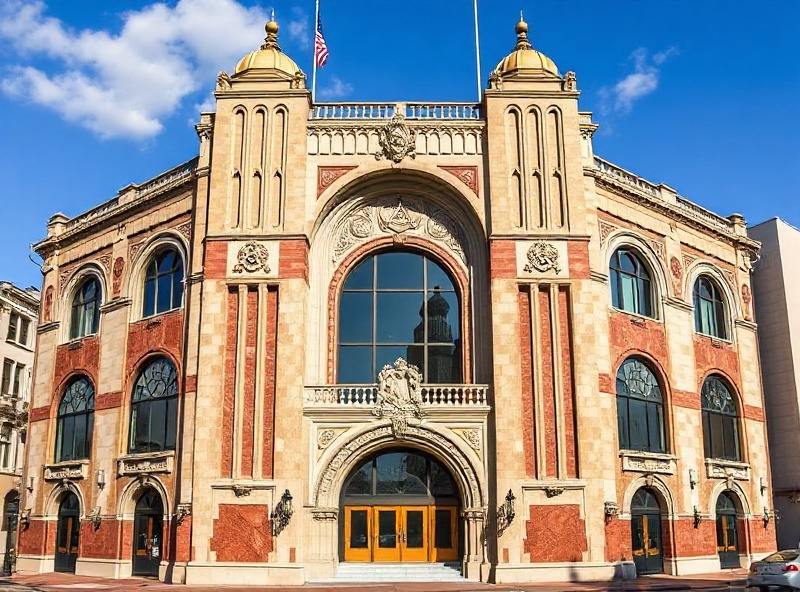
Deep History: A Journey Through Time
Explore the comprehensive history of the Grand Lodge of California across four pivotal eras
Founding and Early Vision
The Grand Lodge of California was chartered in 1850, at a pivotal moment when California became a state and experienced the transformative Gold Rush. Masonic lodges served as essential institutions of civilization amid the chaos of tens of thousands of fortune seekers converging on California. These lodges provided structure, moral guidance, and community bonds in rapidly developing settlements like San Francisco, Sacramento, and surrounding regions. California Masons from diverse backgrounds—merchants, miners, professionals, and civic leaders—united to establish schools, hospitals, and civic institutions that would form the foundation of California's emerging society.
Growth and Expansion
As the Gold Rush settled and California developed into a major American state, Freemasonry flourished throughout the region. The Grand Lodge chartered new lodges in every corner of California, from coastal communities to mountain mining settlements to agricultural areas. California Masons became deeply involved in public education, healthcare, civic improvements, and business development. The state's rapid growth created opportunities for Masonic principles of brotherhood and mutual support to profoundly influence California's institutional development. Scottish Rite and York Rite bodies established strong presence, creating extensive networks of fraternal education.
Mid-Century Development
The 20th century brought enormous economic and population growth to California, making it America's leading state by mid-century. California Masonry adapted to this expansion while maintaining its core mission of brotherhood and service. Masonic lodges remained central to community life, supporting education through scholarships, hospitals through fundraising, youth development, and disaster relief. California Masons participated in civic leadership across the state, contributing to infrastructure development, education advancement, and social progress. The Grand Lodge became one of the largest and most influential Masonic jurisdictions in America.
Modern Era and Legacy
Today, the Grand Lodge of California represents nearly 175 years of Masonic service to America's most populous state. With hundreds of active lodges throughout California, the Grand Lodge continues its mission of developing men of character and service. Modern California Masons support Shriners Hospital for Children, fund educational programs and scholarships, provide disaster relief, and engage extensively in community service. The Grand Lodge maintains California's tradition as a center of Masonic innovation and leadership while serving millions of Californians through charitable work and community development.
Historical Overview
Key milestones in the history of the Grand Lodge of California
founding
The Grand Lodge of California was chartered in 1850, just as California was admitted to the Union during the Gold Rush era.
goldrush
Masonic lodges served as centers of civilization and community building during the chaotic Gold Rush period.
community
California Masons were instrumental in establishing civic institutions, schools, hospitals, and communities.
modern
Today, the Grand Lodge of California represents one of the largest Masonic jurisdictions in the US.
Masonic Rituals and Degrees
Understand the sacred rituals, degrees, and ceremonial traditions of the Grand Lodge of California
three Degrees
California confers the three basic degrees within a framework reflecting the fraternity's principles.
apprentice
Introduction to Masonic light and foundational teachings.
fellowcraft
Development of Masonic science and intellectual foundations.
master Mason
Completion of basic education and representation of the perfected craftsman.
appendant
Scottish Rite, York Rite, and other bodies offer extensive advanced degrees.
The Three Basic Degrees
Entered Apprentice
The first degree introduces the candidate to Masonic light, principles, and the foundations of the fraternity's teachings.
Fellowcraft
The second degree develops the candidate's understanding of Masonic science, geometry, and intellectual foundations.
Master Mason
The third degree represents completion of basic Masonic education and preparation for service to the fraternity.
Notable Members
Prominent leaders and figures who have been members of the Grand Lodge of California
Levi Strauss - Industrialist and philanthropist
Charitable Work and Community Service
California Masons support hospitals, medical research, youth education, scholarships, and community development.