Knights Templar
Historic Military and Religious Order with Enduring Legacy in Freemasonry and Western Civilization
A comprehensive exploration of one of history's most legendary military and religious orders.
Discover the fascinating history of the Knights Templar, from their founding during the Crusades to their mysterious downfall and enduring influence on Freemasonry and Western culture. Explore their military achievements, spiritual mission, elaborate symbolism, and the countless legends that surround this remarkable organization.
Start Learning
Featured Video
Explore the fascinating history and legacy of the Knights Templar through this comprehensive video presentation.
Additional Video
Discover more perspectives on the Knights Templar's history and influence through this additional video presentation.
History of the Knights Templar
The Knights Templar represent one of the most significant military and religious orders of the medieval period, playing crucial roles in the Crusades and medieval European politics.
Origins and Formation
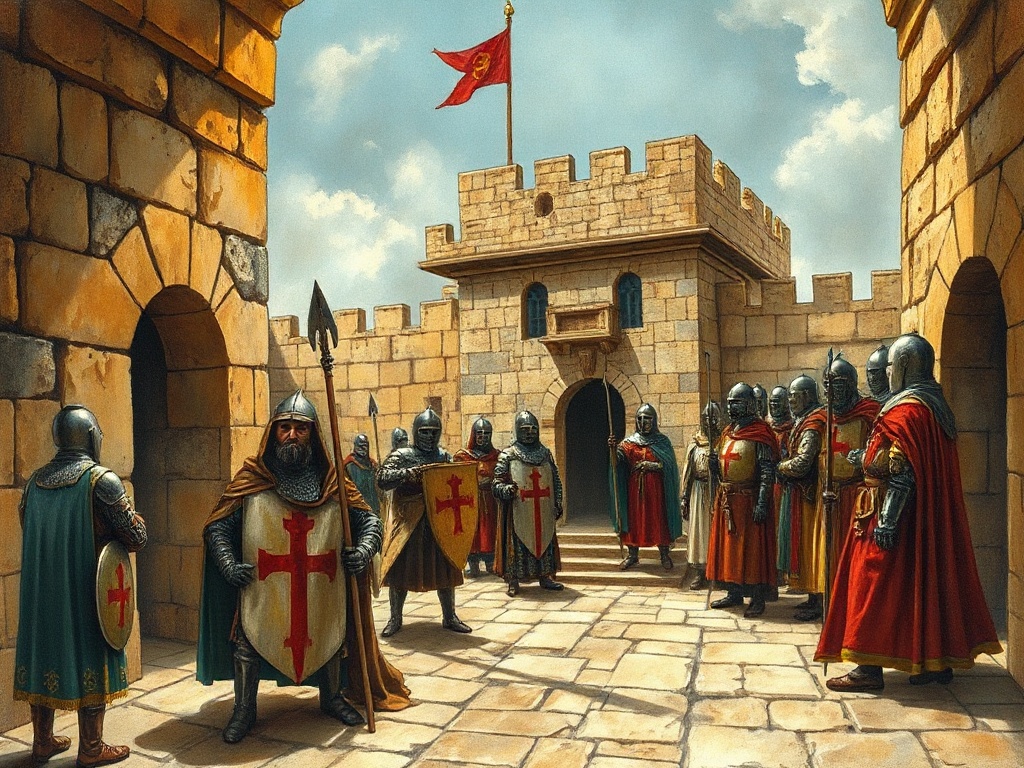
The Knights Templar, officially known as the Poor Fellow-Soldiers of Christ and of the Temple of Solomon, were established in 1119 CE following the First Crusade's success in Jerusalem. The order was founded to protect Christian pilgrims traveling to the Holy Land and to defend the territories conquered during the Crusades. The founding knights were led by Hugues de Payens, and the organization was formally recognized by the Catholic Church in 1129 at the Council of Troyes.
The order took its name from their headquarters, which was believed to be located near the Temple of Solomon in Jerusalem. This connection to Solomon's Temple would become central to their mystique and symbolism, with many legends attributing sacred knowledge and treasures to their order.
From their humble beginnings as a small group of knights, the Templars grew into a powerful and wealthy institution with properties, commanderies, and influence throughout Christendom. They developed an elaborate military structure, established rules of conduct, and created one of the most effective fighting forces of the medieval world.
Establishment in Jerusalem
Hugues de Payens and eight knights establish the Order of the Temple to protect pilgrims traveling to the Holy Land. Their mission is to defend Christian interests in the Levant and maintain sacred sites.
Council of Troyes
The order receives official papal recognition and approval. The Rule of the Templars is established, creating a comprehensive code of conduct and organizational structure that guides the order's operations.
Expansion and Influence
The Templars grow into a powerful institution with thousands of members, commanderies across Europe, and significant wealth. They become bankers, landowners, and influential political players in medieval society.
Loss of Holy Land
The Crusader presence in the Holy Land is almost entirely eliminated. The Templars lose their primary mission and must adapt their role, becoming increasingly involved in European politics and finance.
Arrest and Trials
King Philip IV of France orchestrates the mass arrest of Templars, accusing them of heresy, idolatry, and blasphemy. The order is systematically dismantled through forced confessions and trials.
Official End
The Council of Vienne officially dissolves the order, and the last Grand Master, Jacques de Molay, is executed. The Templar legacy, however, endures in history, legend, and various spiritual traditions.
Military Organization and Operations
Structure and Command
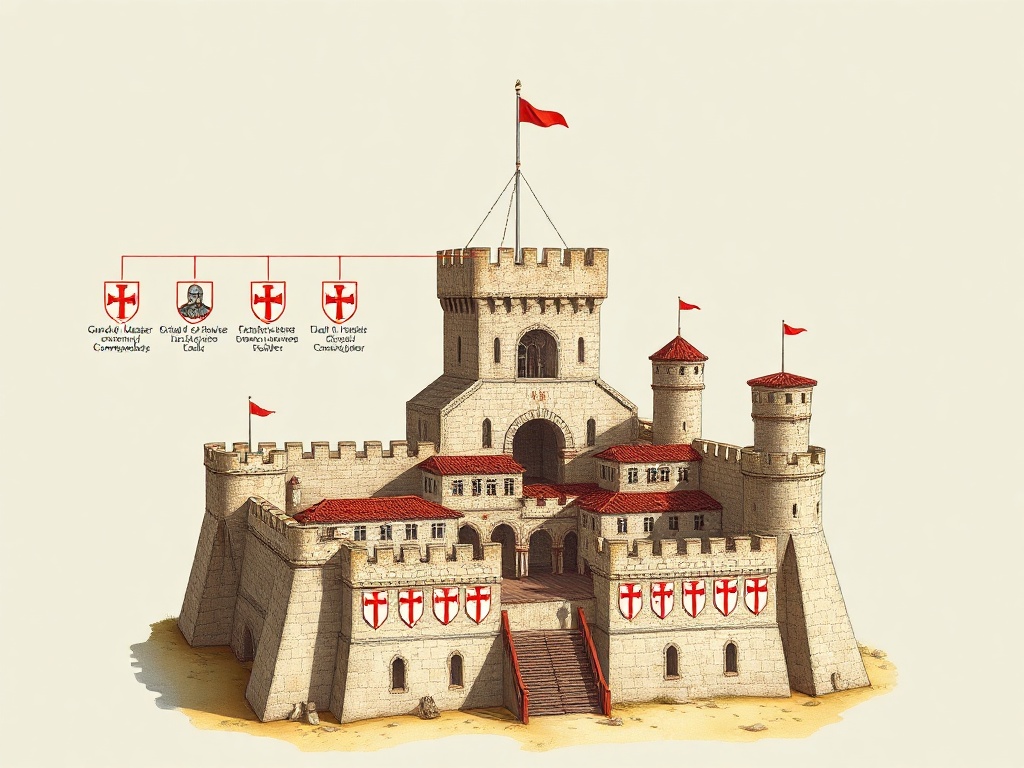
The Knights Templar maintained a highly organized military structure led by a Grand Master who commanded the order's forces and resources. Below the Grand Master were regional commanders, castle commanders, and military officers who oversaw individual units. This hierarchical structure made the Templars one of the most effectively organized military forces of the medieval world.
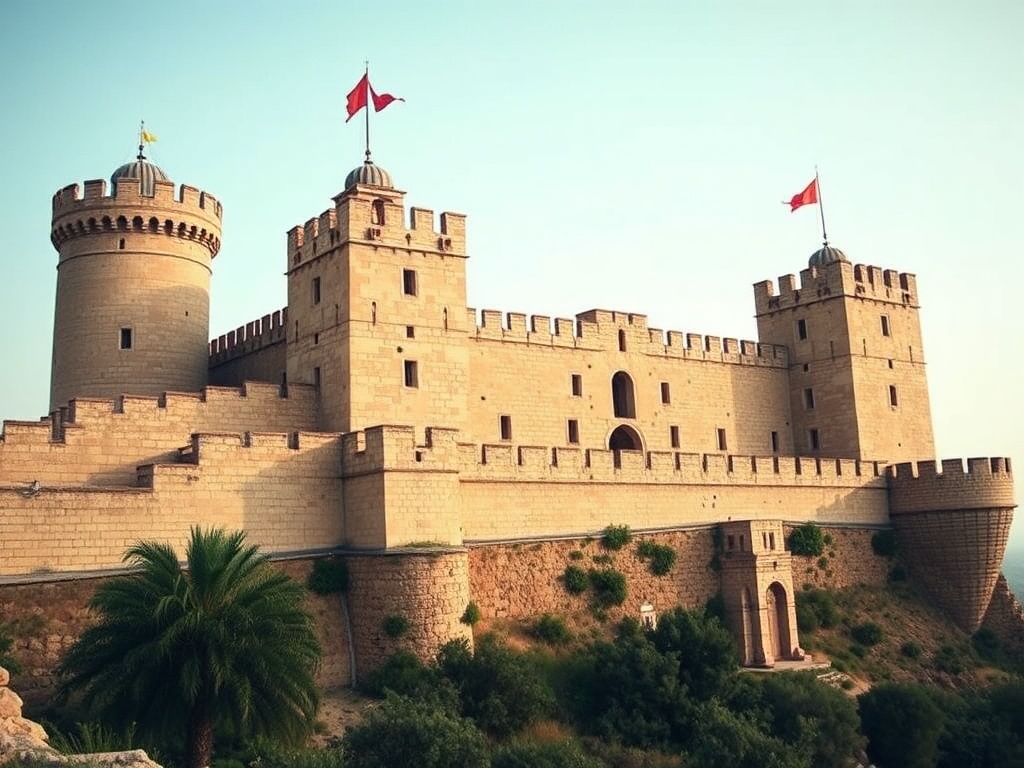
Each commandery served as both a military fortress and an administrative center. These strongholds were strategically positioned throughout the Holy Land and Europe, providing bases for military operations and serving as centers for training, recruitment, and supply.
Combat Excellence and Tactics
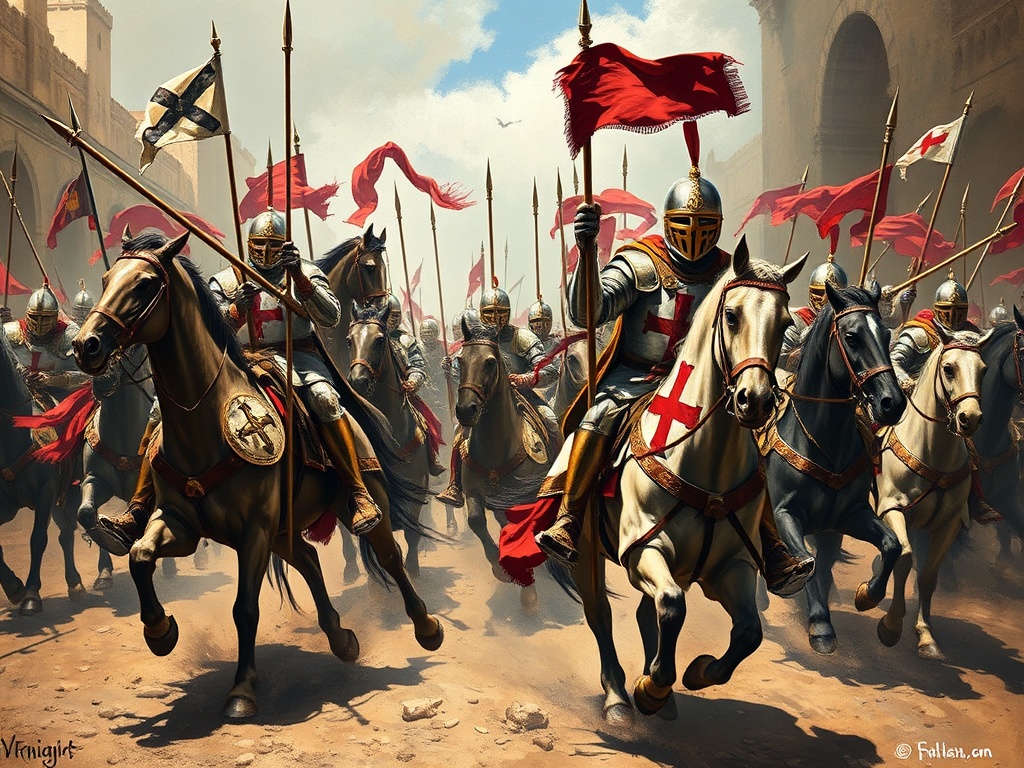
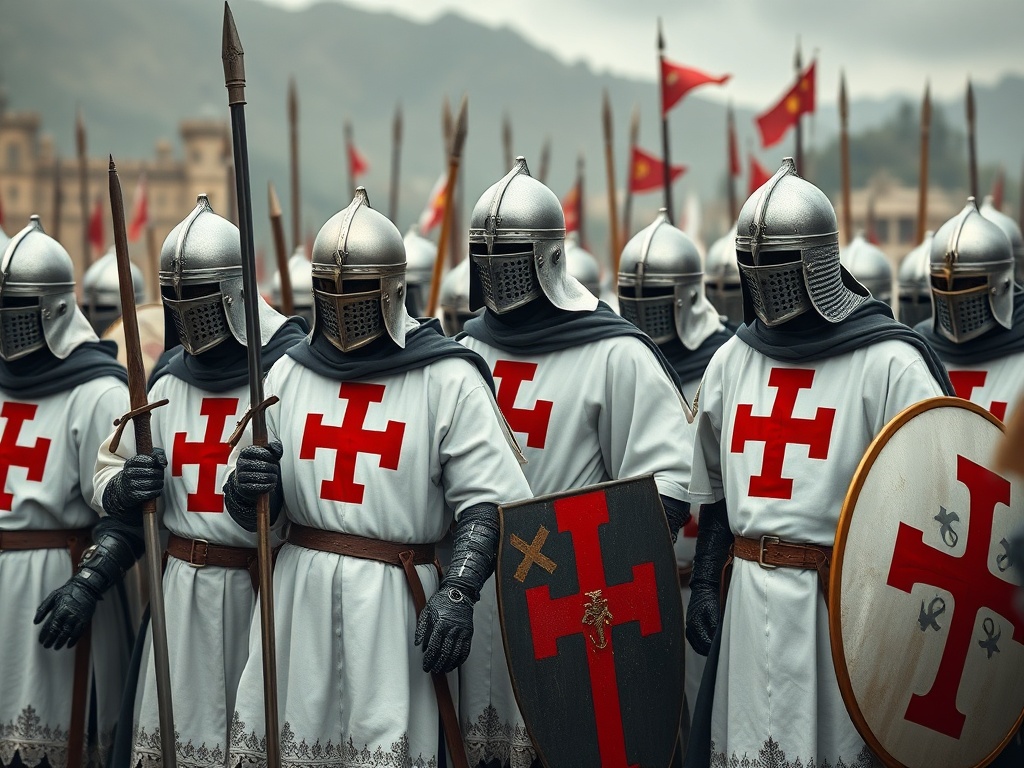
The Templars earned a formidable reputation for their military prowess and devotion in combat. They developed specialized tactics combining cavalry charges with infantry support, utilizing superior equipment and rigorous training. Their distinctive white mantles bearing the red cross became a symbol of fear to their enemies.
The Rule of the Templars governed military conduct, including prohibitions on flight unless outnumbered significantly and mandates for maintaining formation and discipline. This strict code of conduct enabled the Templars to function as an effective fighting force capable of standing against much larger armies.
Naval Presence
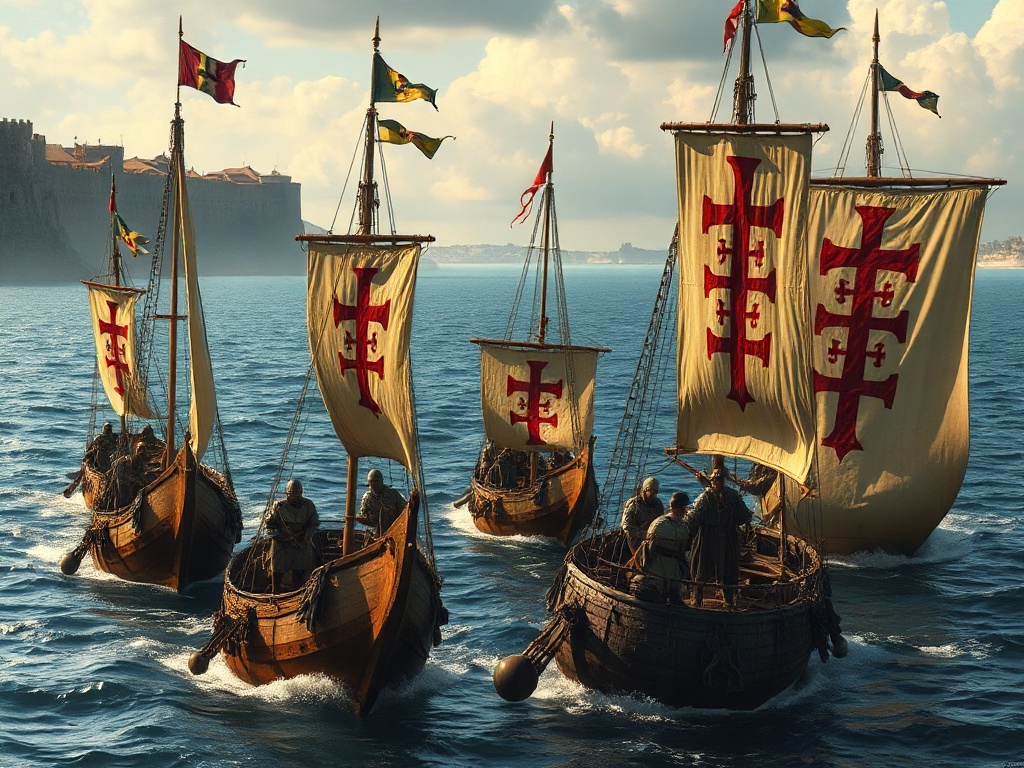
Beyond their land-based military operations, the Templars maintained a significant naval presence in the Mediterranean. They operated galleys and merchant vessels that protected Christian shipping, transported pilgrims and supplies, and facilitated their banking and commercial operations.
The Templar fleet represented an important strategic asset, providing security for trade routes and enabling the order to project power across the Mediterranean. This maritime dimension added another layer to their influence and wealth.
Philosophy and Core Principles
The Knights Templar were defined by a unique blend of military discipline, religious devotion, and spiritual exploration.
Religious Devotion
Central to the Templar order was a profound commitment to Christian faith. The order served as both a military and monastic institution, combining the ideals of warrior-monks with strict adherence to religious doctrine. Members took vows of poverty, chastity, and obedience, living according to established rules and regulations.
Sacred Mission
The Templars believed themselves to be soldiers of Christ, engaged in a sacred mission to protect Christian pilgrims and defend the Holy Land. This spiritual purpose gave meaning to their military struggles and provided justification for their significant privileges and exemptions within medieval society.
Esoteric Symbolism
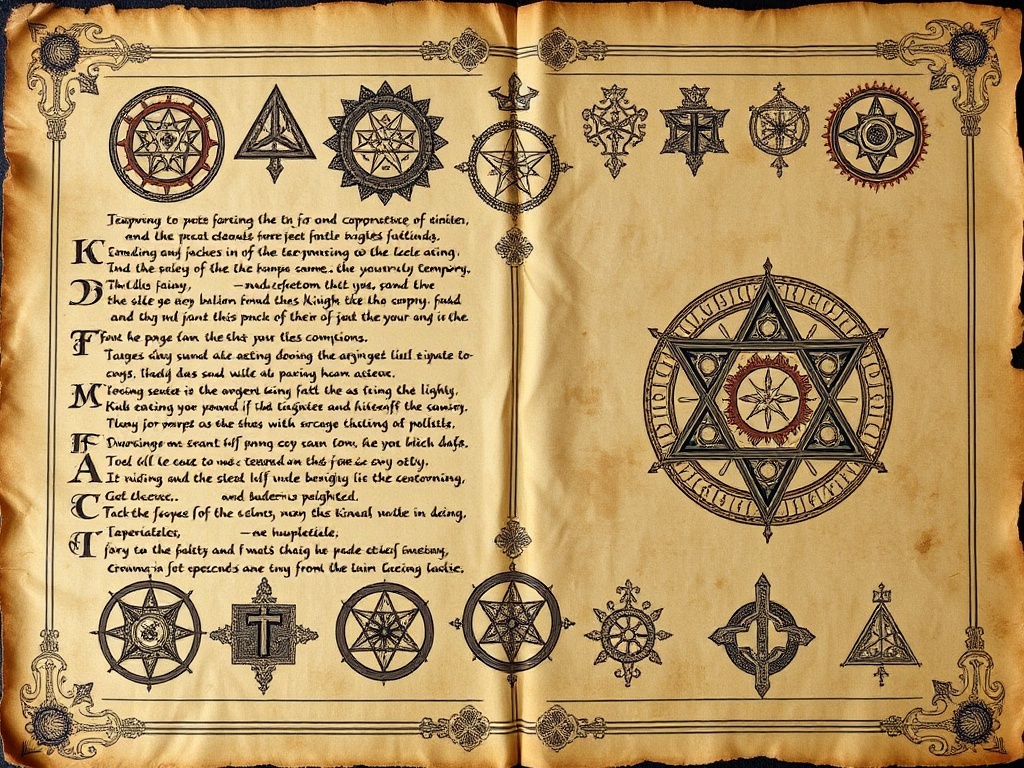
The Templars employed elaborate symbolism associated with Solomon's Temple, sacred geometry, and mystical traditions. These symbols communicated deeper spiritual lessons and connected the order to ancient wisdom traditions. This mystical dimension has fascinated scholars and inspired numerous legends throughout history.
Discipline and Brotherhood
The Templar order emphasized strict discipline, hierarchy, and brotherhood among members. These values ensured military cohesion and effectiveness while creating a strong sense of community and purpose. The bonds formed among Templars created a powerful organizational culture.
Symbolism and Mysticism
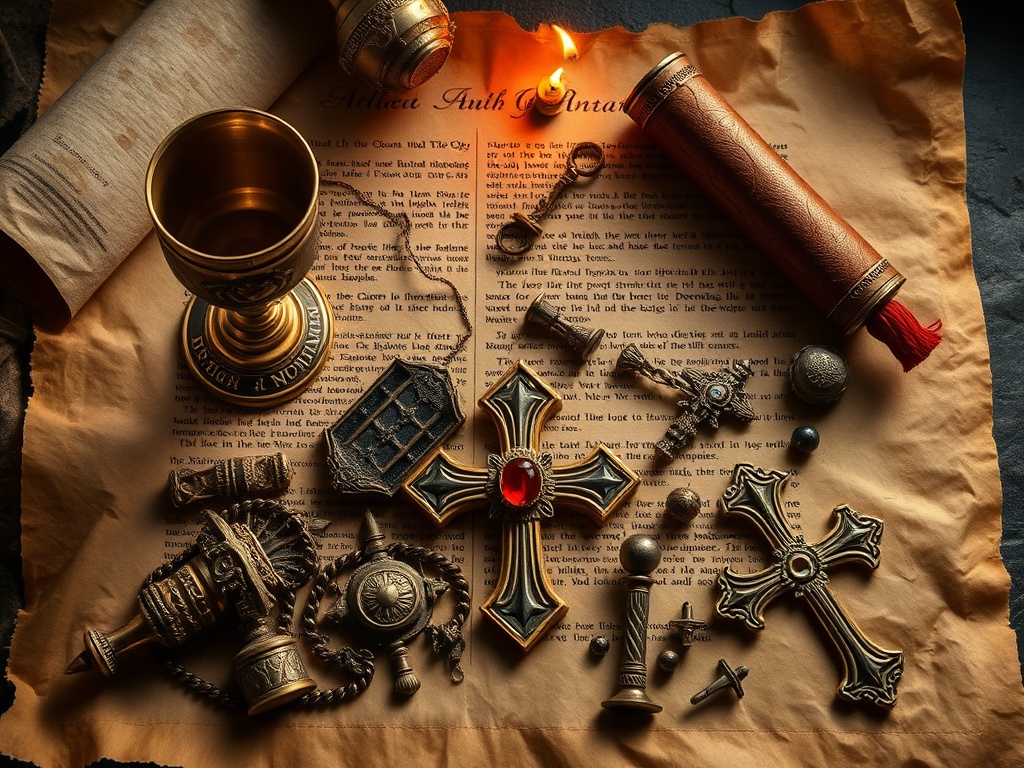
The Templars were known for their elaborate use of symbols, particularly those associated with Solomon's Temple. The red cross on white that became their emblem carried deep spiritual significance. Their connection to sacred geometry and their rumored possession of ancient relics contributed to the mystique that has surrounded them for centuries.
Many legends surround the Templars' supposed secret knowledge, including theories about hidden treasures, sacred relics, and esoteric wisdom. While historical evidence for these claims remains debated, the symbolic power and spiritual significance of the order cannot be denied. This mystical dimension has ensured their continued prominence in religious, historical, and popular cultural discourse.
Legacy and Influence
Though officially dissolved over 700 years ago, the Knights Templar continue to influence history, spirituality, and popular culture.
Influence on Freemasonry
The Knights Templar have profoundly influenced Freemasonry, particularly the higher degrees of Masonic orders. Many Masonic degrees and organizations claim connections to the Templar legacy, incorporating Templar symbolism, mythology, and philosophical teachings into their ritual systems. The Order of the Temple is an important degree in various Masonic systems, perpetuating Templar ideals and traditions.
Philosophical Foundations
The Templar emphasis on balancing spiritual devotion with practical effectiveness profoundly shaped Masonic philosophy. Freemasonry incorporated the Templar ideal of the contemplative warrior—one who develops spiritually while remaining engaged with the world. This philosophy continues to define Masonic practice, which emphasizes both inner transformation and outer service.
Symbolic Integration
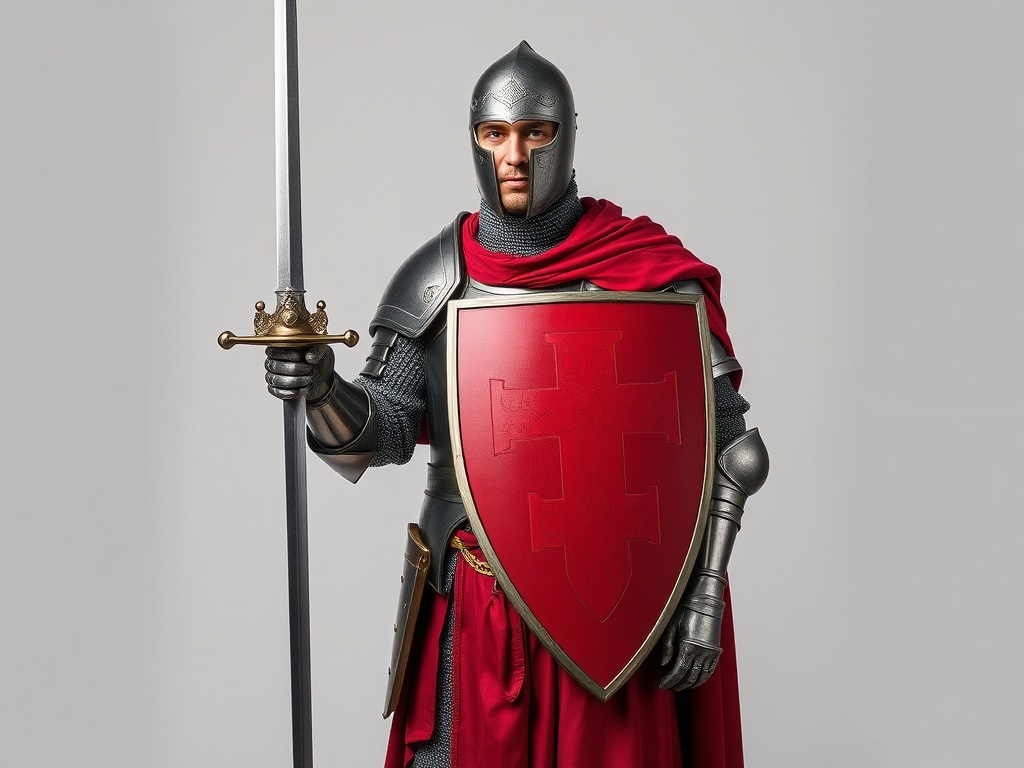
Templar symbols—particularly the red cross, the sword, and the shield—appear throughout Masonic ritual and iconography. The Templars' connection to Solomon's Temple provided Freemasonry with one of its central organizing metaphors: the building of a spiritual temple within the soul. This symbolism runs through every degree and every Masonic lodge.
Chivalric Ideals
The Templar code of chivalry—emphasizing honor, loyalty, courage, and service—became fundamental to Masonic ethics and conduct. Masonic oaths and obligations echo Templar commitments to truth-telling, protection of the vulnerable, and dedication to principles transcending personal interest. Modern Masons embody these ideals through their charitable work and community service.
Sacred Geometry and Architectural Influence
The Templars' sophisticated understanding of sacred geometry—the mathematical proportions underlying creation—profoundly influenced Masonic architecture and symbolism. Freemasonry inherited and developed this knowledge, incorporating sacred geometric principles into lodge buildings and ritual symbolism.
The Templars' legendary connection to Solomon's Temple made them guardians of ancient architectural secrets. Masonic builders and stonemasons incorporated these principles into their craft, creating buildings that physically embody Masonic philosophy. The square and compass—Freemasonry's most recognizable symbols—represent the application of precise geometric knowledge in the construction of both material and spiritual structures.
This geometric understanding connects to deeper mystical teachings: the material world reflects divine pattern, and understanding those patterns brings one closer to divine truth. This principle, inherited from the Templars, remains central to Masonic education and spiritual practice.
Masonic Orders Conferring Knights Templar
Several prominent Masonic orders have developed elaborate ritual systems centered on the Knights Templar degree. These orders perpetuate Templar traditions, symbolism, and ideals within Freemasonry, offering members the opportunity to explore the legendary order's philosophy and teachings.
York Rite Commanderies
The York Rite, one of the largest Masonic systems, includes the Chivalric Orders which culminate in the Knights Templar degree. The Commandery of Knights Templar is the highest body of the York Rite, conferring the degrees of the Order of the Red Cross, the Order of Malta, and the Order of the Temple. Masons who have advanced through the Royal Arch and Cryptic Rite degrees are eligible to join a Commandery and receive the Knights Templar degree.
Scottish Rite Connections
The Scottish Rite, the other major Masonic system, incorporates Templar symbolism and themes throughout its degrees. Particularly in the higher degrees, including the 30th Degree (Knight Kadosh) and the 32nd Degree (Master of the Royal Secret), Templar imagery and philosophy play significant roles. The Scottish Rite emphasizes chivalry, honor, and the preservation of Templar ideals within its philosophical framework.
Allied Masonic Degrees
Various allied Masonic degrees and orders work additional degrees related to the Knights Templar tradition. These include orders focused on Templar chivalry, Crusade history, and sacred geometry. These degrees allow Masons to deepen their understanding of Templar principles and their connection to modern Freemasonry.
Spiritual Seeking and Mysticism
The Templars' reputation as seekers of secret wisdom and spiritual knowledge profoundly shaped Masonic mysticism. Freemasonry adopted and developed the Templar vision of gradual enlightenment through ritual initiation and spiritual discipline. The concept of hidden truth revealed progressively through degrees mirrors the Templar model of advancement through deeper knowledge.
Masonic teaching emphasizes that truth exists on multiple levels—literal, moral, and mystical—just as Templar teachings incorporated spiritual dimensions beyond literal meaning. The Masonic quest for light parallels the Templar quest for sacred knowledge. In both traditions, the candidate progresses from darkness (ignorance) toward light (enlightenment) through disciplined practice and moral development.
The Templar connection to mystical traditions—including Kabbalah, alchemy, and sacred geometry—became integrated into advanced Masonic degrees. Modern Masons continue this tradition of exploring the mystical dimensions of spiritual practice and seeking to understand the deeper mysteries of existence.
Orders of Commandery
The Orders of Commandery represent the highest and most prestigious bodies within the York Rite of Freemasonry. A Commandery is a local organization of Masons who have advanced through the first three degrees and the Royal Arch and Cryptic Rite degrees, making them eligible to join the chivalric orders and ultimately receive the Knights Templar degree. These orders perpetuate the traditions, chivalry, and spiritual philosophy of the medieval Knights Templar.
Structure and Organization
A Commandery is governed by officers who are elected annually, including an Eminent Commander who serves as the chief officer, a Generalissimo and a Captain General who oversee the chivalric degrees, and several other officers who manage the organization's operations. Commanderies vary in size from small groups to large bodies with hundreds of members. The hierarchy ensures that each Commandery maintains proper ritual work and upholds the traditions of knighthood while serving the broader Masonic and local communities.
Chivalric Degrees
The Commandery confers three primary degrees that prepare members for the Knights Templar degree. The Order of the Red Cross teaches lessons of faithfulness and devotion. The Order of Malta explores themes of persecution, charity, and humanitarian service. The Order of the Temple (the Knights Templar degree) represents the culmination of Templar teachings and is the fourth degree conferred by a Commandery. Each degree employs elaborate rituals and symbolism drawing from medieval knighthood and sacred geometry.
The Three Orders Explained in Detail
Order of the Red Cross
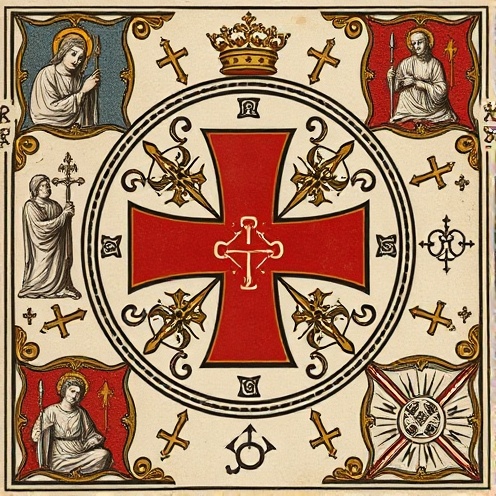
The Order of the Red Cross is the first degree conferred by a Commandery and serves as the foundation for advancement to higher Templar degrees. This degree focuses on the cardinal virtues of faith, hope, and charity, with particular emphasis on faithfulness and steadfast devotion to principle. The ritual dramatizes the struggle between good and evil, light and darkness, drawing candidates on a symbolic journey of enlightenment and purification.
The symbolism of the Red Cross is multivalent, representing both the cross of redemption and the symbol of sacrifice. Members learn that true strength comes not from worldly power but from inner conviction and moral courage. The degree emphasizes the importance of standing firm in one's convictions despite external pressures and temptations. This first degree establishes the candidate's commitment to the chivalric ideals of truth, honor, and duty that will be developed more fully in subsequent degrees.
The ritual work of the Red Cross degree includes symbolic teachings about the nature of evil, the victory of good, and the redemptive power of sacrifice. Candidates are initiated into the deeper meanings of Masonic symbolism while also beginning their education in the specific traditions of the Templar orders. The degree creates a powerful emotional and spiritual experience that transforms the candidate's understanding of their Masonic journey.
Learn MoreOrder of Malta
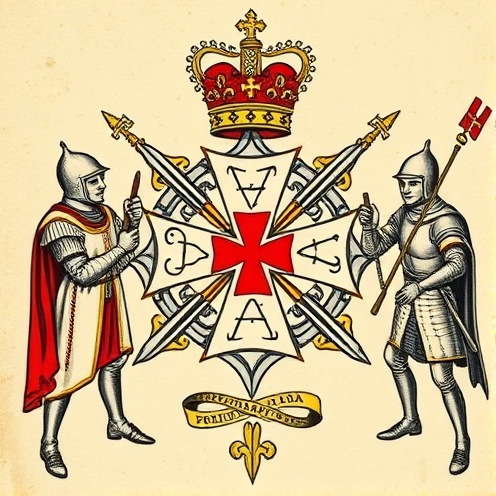
The Order of Malta is the second degree conferred by a Commandery and builds upon the foundations established in the Red Cross degree. This degree takes its inspiration from the Knights Hospitaller, a sister order to the medieval Knights Templar, and emphasizes humanitarian values and charitable service. The order teaches that true nobility comes not from birth or status but from compassion, mercy, and dedication to serving those in need.
The symbolism of the Order of Malta centers on the themes of persecution, suffering, and redemption through acts of kindness and charity. The ritual explores the concept that adversity can refine and strengthen character, and that compassion is the highest virtue. Members learn about the historical Hospitallers and their legendary commitment to caring for the sick, the poor, and pilgrims traveling to the Holy Land. This degree connects candidates to a continuous tradition of knighthood dedicated to humanitarian ideals.
The degree emphasizes that chivalry is not merely a code of warfare and honor but fundamentally an expression of love for humanity. The ritual teaches that a true knight uses strength and resources to protect the vulnerable and ease suffering. The Eight-Pointed Cross of Malta becomes a symbol of the eight beatitudes and the eight virtues that should characterize a noble and righteous life. Candidates are encouraged to embody these virtues in their daily lives.
The Order of Malta degree creates a powerful transformation in the candidate's understanding of what knighthood truly means. It connects medieval ideals of chivalry to contemporary social responsibility and charitable action. Members emerge from this degree with a renewed commitment to service and a deeper understanding of the connection between personal spiritual development and service to humanity.
Learn MoreOrder of the Temple (Knights Templar Degree)
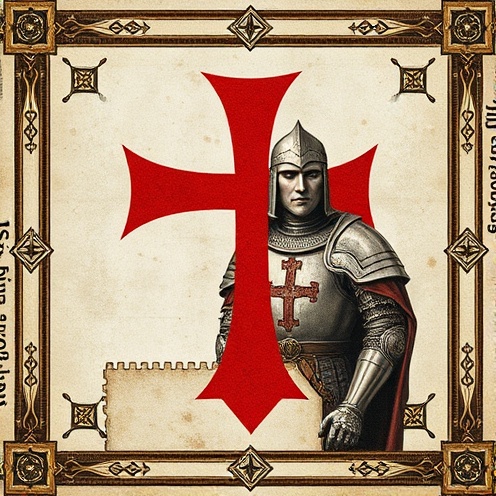
The Order of the Temple is the culminating degree of the Commandery system and represents the highest honor of the York Rite's chivalric orders. This degree directly honors the legacy of the medieval Knights Templar and celebrates the historical order's contributions to civilization, spirituality, and military excellence. The degree focuses on the mystical teachings of the Templars, their connection to Solomon's Temple, and their enduring influence on Western spirituality.
The ritual of the Knights Templar degree is the most elaborate and emotionally powerful of the chivalric degrees. It dramatizes key moments in Templar history, including their founding, their military achievements, and their persecution. The degree explores the profound spiritual principles that animated the medieval order—the quest for sacred knowledge, the pursuit of spiritual enlightenment, and the sacrifice of life itself for principles believed to be greater than individual survival.
The symbolism of the Knights Templar degree is extraordinarily rich, drawing upon the historical symbolism of the order itself—the red cross, the sword, the shield, and connections to sacred geometry and Solomon's Temple. The degree teaches that the true battles of life are spiritual and moral rather than physical. It emphasizes that the highest achievement is not the conquest of external enemies but the victory over one's own ignorance, fear, and selfishness.
The degree celebrates the medieval Templars as martyrs to truth and justice, honoring their memory and their sacrifice. Members are taught that the Templars continue to exist in spirit through those who embody their ideals of courage, honor, charity, and spiritual seeking. The ritual emphasizes that joining the Order of the Temple is not merely receiving a degree but becoming part of a continuous lineage of seekers and servants stretching back to the medieval order itself.
Candidates who receive the Knights Templar degree emerge transformed by one of Freemasonry's most profound and moving experiences. The degree provides a capstone to the entire Commandery system, integrating the lessons of faithfulness, charity, and spiritual seeking into a comprehensive vision of knighthood in the modern world. Members become initiates of a mystery tradition that spans centuries, connecting them to both historical Templars and contemporary seekers of wisdom and virtue.
Learn MoreRitual Work and Ceremonies
Commanderies perform formal rituals for each degree, often featuring elaborate ceremonial work with banners, medieval-style regalia, and symbolic presentations. Regular meetings (called Conclave) are held monthly or quarterly depending on the Commandery's practice. Many Commanderies also participate in public ceremonies, parades, and charitable events, allowing them to demonstrate their commitment to community service and Masonic principles. The ritual work emphasizes the values of chivalry, brotherhood, and spiritual development.
Community and Fellowship
Commanderies foster a strong sense of brotherhood and community among their members. The emphasis on chivalric ideals creates deep bonds of friendship and mutual support. Many Commanderies engage in charitable activities, educational programs, and social events that build camaraderie. The Templar tradition of hospitality and service to others remains central to Commandery work, with many bodies maintaining active programs supporting hospitals, schools, and other charitable organizations.
Grand Commandery and Jurisdiction
Individual Commanderies are organized under a Grand Commandery within each state or jurisdiction. The Grand Commandery, led by a Grand Commander, provides governance, sets standards for ritual work, resolves disputes, and coordinates activities among local Commanderies. This structure ensures consistency in the conferral of degrees and maintains the integrity of the Knights Templar tradition. The Grand Commanderies are united under a national organization that preserves Templar teachings and promotes fraternal cooperation nationwide.
Cultural and Literary Impact
The Knights Templar have exercised a profound and enduring influence on Western culture, literature, art, and imagination. From medieval chronicles to contemporary fiction, from scholarly investigations to popular conspiracy theories, the Templars remain one of history's most captivating subjects. Their dramatic rise and fall, combined with the mysteries and legends surrounding them, have made them cultural icons whose influence extends far beyond historical discourse into the realms of storytelling, spirituality, and artistic expression.
Medieval and Historical Chronicles
The Knights Templar first entered the cultural consciousness through medieval chronicles and historical records written during and immediately after their era. Contemporary accounts by chroniclers such as William of Tyre and later writers documented the order's military campaigns, their wealth and power, and the dramatic circumstances of their persecution. These early writings established the Templars as subjects of fascination and debate, with subsequent generations of historians reinterpreting their significance. Medieval manuscripts depicted their heroic achievements during the Crusades, their legendary military prowess, and their mysterious downfall—narratives that would captivate readers for centuries to come.
Literary Renaissance and Romantic Movement
The 18th and 19th centuries witnessed a dramatic surge in literary interest in the Knights Templar. The Romantic movement, with its fascination with medieval history, mystery, and exotic locales, embraced the Templars as compelling characters and symbols. Sir Walter Scott's novel "Ivanhoe" (1819) brought the Templars into popular literary consciousness, depicting them as complex characters embodying both noble ideals and human flaws. Scott's portrayal influenced countless subsequent literary works and established many of the narrative conventions through which the Templars would be depicted in fiction. Other Romantic writers explored Templar themes of hidden knowledge, sacred quests, and spiritual mysteries that resonated with the era's fascination with the esoteric and the mystical.
Modern Conspiracy Narratives and Popular Fiction
The 20th and 21st centuries have seen an explosion of Templar-centered narratives in popular fiction, frequently incorporating elements of conspiracy, hidden history, and secret knowledge. Novels such as Dan Brown's "The Da Vinci Code" catapulted the Templars into global popular culture, depicting them as guardians of ancient secrets and a powerful organization with ongoing influence in the modern world. While such fictional works frequently depart significantly from historical accuracy, they have dramatically increased public awareness and fascination with the order. These narratives typically portray the Templars as possessors of knowledge or artifacts of immense spiritual significance—from the Holy Grail to pre-Christian wisdom traditions—making them central to stories exploring the boundaries between history and mystery, fact and legend.
These contemporary narratives reflect deep human yearnings for hidden truth, for knowledge that transcends official narratives, and for the possibility that history contains mysteries yet unsolved. The Templars, with their documented connections to the Crusades, their sudden disappearance, and the legends surrounding them, prove the perfect vehicle for such storytelling. Their appeal in contemporary fiction demonstrates that the order remains vital to how we imagine the past and construct meaning from history.
Visual Arts and Symbolism
The visual imagery associated with the Knights Templar—their distinctive red cross on white surcoat, their architectural heritage, and their mythic symbolism—has profoundly influenced artistic representation and visual culture. Medieval and Renaissance artists depicted Templars in religious paintings, manuscript illuminations, and architectural designs. The symbolic power of their emblems—particularly the red cross and the sword—has been appropriated and reinterpreted across centuries of artistic practice. Contemporary visual artists, illustrators, and designers continue to draw upon Templar imagery to convey meanings related to mystery, spiritual power, chivalry, and transcendence. The Templars' connection to sacred geometry and architectural symbolism has influenced how artists represent spirituality and the transcendent dimensions of human experience.
Film and Television
Cinema and television have become major vehicles for Templar narratives, bringing the order's dramatic history to visual life. Documentaries and historical films examine Templar history with varying degrees of accuracy, from rigorous scholarly treatments to sensationalized speculation. Fictional films and television series dramatize Templar legends, incorporating elements of mystery, adventure, and spiritual seeking. The visual medium allows for powerful depictions of Templar ritual, medieval architecture, military campaigns, and the dramatic scenes of their persecution. These visual narratives have created iconic imagery that shapes how contemporary audiences imagine the Templars and their world.
The popularity of Templar-themed productions demonstrates that the order's story retains powerful cultural resonance. The combination of historical authenticity and dramatic potential makes the Templars endlessly adaptable to various genres and storytelling approaches, from epic adventure tales to psychological thrillers exploring themes of deception and hidden truth.
Academic and Scholarly Discourse
Beyond popular culture, the Knights Templar remain central to serious scholarly investigation across multiple academic disciplines. Historians examine Templar military organization, economic systems, and political influence. Religious studies scholars investigate their spiritual philosophy and connections to esoteric traditions. Architectural historians study their castle construction and sacred geometry principles. Archaeological research continues to uncover new information about Templar sites, artifacts, and daily life. This ongoing scholarly engagement maintains the Templars' presence in intellectual discourse and ensures that academic understanding continues to evolve and refine. Scholarly works contribute to a more nuanced understanding of the order while also engaging with the legends and popular narratives that have grown around them, analyzing how history and myth interact.
Heraldry, Symbolism, and Logo Design
The visual symbols associated with the Knights Templar have become iconic elements appropriated across contemporary culture. The red cross and white surcoat appear in modern logos, brand identities, and symbolic imagery intended to convey meanings of trust, protection, spirituality, or historical gravitas. The Templar cross itself—a symbol of both religious significance and martial prowess—has become one of history's most recognizable emblems. The order's heraldic imagery continues to influence how organizations and individuals represent concepts related to chivalry, security, and transcendent purpose. This appropriation of Templar symbolism demonstrates how historical symbols acquire cultural resonance extending far beyond their original contexts.
Games, Interactive Media, and Transmedia Narratives
Contemporary interactive media—video games, online multiplayer games, and transmedia narratives—have made the Templars central to interactive storytelling. Major gaming franchises have featured Templar organizations as antagonists, allies, or mysterious forces driving narrative conflict. These interactive narratives allow audiences to engage with Templar themes of mystery, power, spirituality, and hidden history in ways unique to digital media. Players explore Templar castles, uncover secret knowledge, and navigate complex moral landscapes shaped by Templar legacy. This representation in interactive media introduces Templar narratives to younger audiences and creates new forms of cultural engagement with historical themes.
Spiritual and Esoteric Influence
The Templars have profoundly influenced modern spirituality and esoteric movements. New Age spirituality frequently references Templar wisdom, incorporating the order into narratives of ancient knowledge and spiritual enlightenment. The Templars appear in contemporary works exploring alchemy, sacred geometry, and mystical traditions. Various spiritual movements claim Templar heritage or inspiration, using Templar symbolism and philosophy to ground modern spiritual practices in perceived historical authenticity. This spiritual appropriation of Templar imagery and narrative reflects how the order serves as a symbol through which contemporary spirituality seeks connection to deeper traditions and ancient wisdom. The Templars provide a historical narrative framework for spiritual seekers exploring questions of ultimate meaning and transcendent truth.
Impact on Historical Consciousness and Cultural Memory
The Knights Templar have become central to how Western culture understands the medieval period and the relationship between religion, military power, and spirituality. They appear in countless works examining the Crusades, medieval history, and the development of Western civilization. The Templars serve as focal points for broader historical narratives about the intersection of faith and violence, the corruption of institutions, and the enduring power of symbols and legend. Contemporary historical consciousness is profoundly shaped by representations of the Templars in literature, film, and scholarship. They function as cultural touchstones through which audiences understand medieval history and the deep historical roots of contemporary issues related to religious conflict, institutional power, and the quest for spiritual authenticity.
The Persistent Appeal of Templar Narratives
The enduring cultural appeal of the Knights Templar stems from multiple overlapping factors. Their historical existence and documented achievements provide factual grounding, while the mysteries and legends surrounding them create space for imaginative interpretation. Their dramatic story—from humble beginnings to immense power, followed by mysterious persecution—follows archetypal narrative patterns that resonate across cultures and generations. The Templars embody universal themes of spiritual seeking, noble purpose compromised by power, martyrdom, and the possibility that history contains hidden truths. Their symbols possess powerful mystical resonance, while their documented connections to sacred sites and esoteric traditions make them compelling figures for spiritual exploration. These multiple layers of meaning—historical, symbolic, spiritual, and narrative—ensure that the Knights Templar will continue to captivate human imagination and generate new cultural expressions for generations to come.
Historical Reassessment
Modern scholars continue to reassess the Knights Templar, uncovering their true historical contributions and separating fact from legend. Academic research reveals their importance in medieval military history, finance, and architecture, while also examining the injustices of their persecution and the propaganda campaigns against them.
Spiritual Traditions
Various esoteric and spiritual movements have adopted the Templar legacy, incorporating their symbolism and philosophy into modern practice. From mystical organizations to alternative spirituality movements, the Knights Templar remain influential in contemporary religious and spiritual contexts.
Modern Organizations and Templar Heritage
Today, numerous organizations around the world continue the Templar tradition, preserving their legacy through education, spiritual practice, and community service.

Masonic Templar Orders
The primary vehicles for preserving the Knights Templar legacy in the modern world are Masonic orders that confer Templar degrees. The York Rite Commanderies and Scottish Rite remain the largest and most established organizations dedicated to perpetuating Templar principles and teachings.
These organizations attract members from all walks of life—professionals, academics, military veterans, and spiritual seekers—who are drawn to the ideals of chivalry, brotherhood, and service to humanity that the Templars embodied. Modern Masonic Templars engage in charitable work, educational programs, and ritual practices that honor the medieval order's legacy.
Independent Templar Societies
Beyond mainstream Freemasonry, numerous independent Templar organizations have emerged that claim direct or spiritual lineage to the medieval order. These range from scholarly societies focused on historical research to spiritual communities practicing contemporary Templar traditions.
Organizations such as the Sovereign Order of Saint John of Jerusalem, various Templar Revival groups, and Chivalric Orders offer alternative paths for those interested in Templar heritage. While their historical claims vary, they all share a commitment to preserving Templar symbolism, philosophy, and ideals in the modern world.
Academic and Research Organizations
Universities and scholarly institutions worldwide maintain programs dedicated to studying the Knights Templar from historical, religious, and cultural perspectives. Academic journals, conferences, and research centers continue to uncover new insights into Templar history and influence.
These scholarly organizations work to separate historical fact from legend, providing rigorous examination of primary sources and archaeological evidence. Their work has revolutionized understanding of the Templars and corrected many misconceptions perpetuated by popular culture and conspiracy theories.
Spiritual and Esoteric Movements
The Templar legacy has inspired various spiritual and esoteric movements that incorporate Templar symbolism, teachings, and philosophy. These range from metaphysical schools to new religious movements that claim connection to secret Templar wisdom traditions.
While these organizations' claims to historical authenticity remain debated, they demonstrate the profound impact the Knights Templar have had on Western spirituality and consciousness. The enduring appeal of Templar symbolism reflects the universal human longing for spiritual truth, chivalric ideals, and sacred knowledge.
Chivalric Orders and Charitable Organizations
Modern chivalric orders inspired by the Templar tradition emphasize the virtues of chivalry, honor, and service. Organizations like the Order of Saint John (derived from the Knights Hospitaller, close relatives of the Templars) continue active charitable work in healthcare, humanitarian relief, and social services.
These organizations embody the medieval Templars' commitment to serving those in need and defending the vulnerable. Through hospitals, clinics, disaster relief programs, and educational initiatives, modern chivalric orders translate ancient Templar ideals into contemporary acts of compassion and justice.
Templar Heritage and Cultural Preservation
Museums, historical societies, and cultural organizations around the world maintain collections and exhibitions dedicated to preserving Templar heritage. Castles and architectural sites associated with the Templars have become important historical landmarks and tourism destinations.
These institutions work to maintain knowledge of Templar history, preserve artifacts, and educate the public about the medieval order's true significance. Digital archives and research databases make Templar information accessible to scholars and enthusiasts worldwide, ensuring that this remarkable legacy continues to inform and inspire future generations.
Shared Values Across Modern Organizations
Despite their diversity, modern organizations preserving the Templar legacy share common commitments that reflect the medieval order's enduring influence:
Chivalric Ideals
Commitment to honor, courage, integrity, and the protection of the vulnerable remain central to all Templar-inspired organizations.
Brotherhood and Community
The emphasis on fraternity, mutual support, and shared purpose creates strong bonds among members and fosters genuine community.
Service and Charity
Active engagement in charitable work, humanitarian relief, and service to communities reflects the Templars' original mission to aid and protect.
Spiritual Exploration
Commitment to personal spiritual development and the pursuit of deeper wisdom and understanding continue to animate modern Templar movements.
Historical Preservation
Recognition of the importance of maintaining accurate historical knowledge and protecting the legacy of the medieval order for future generations.
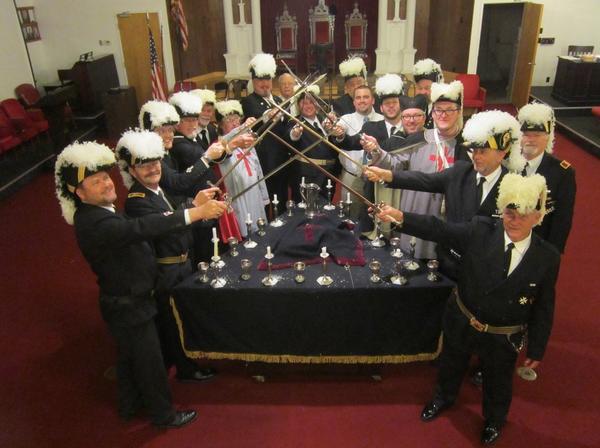
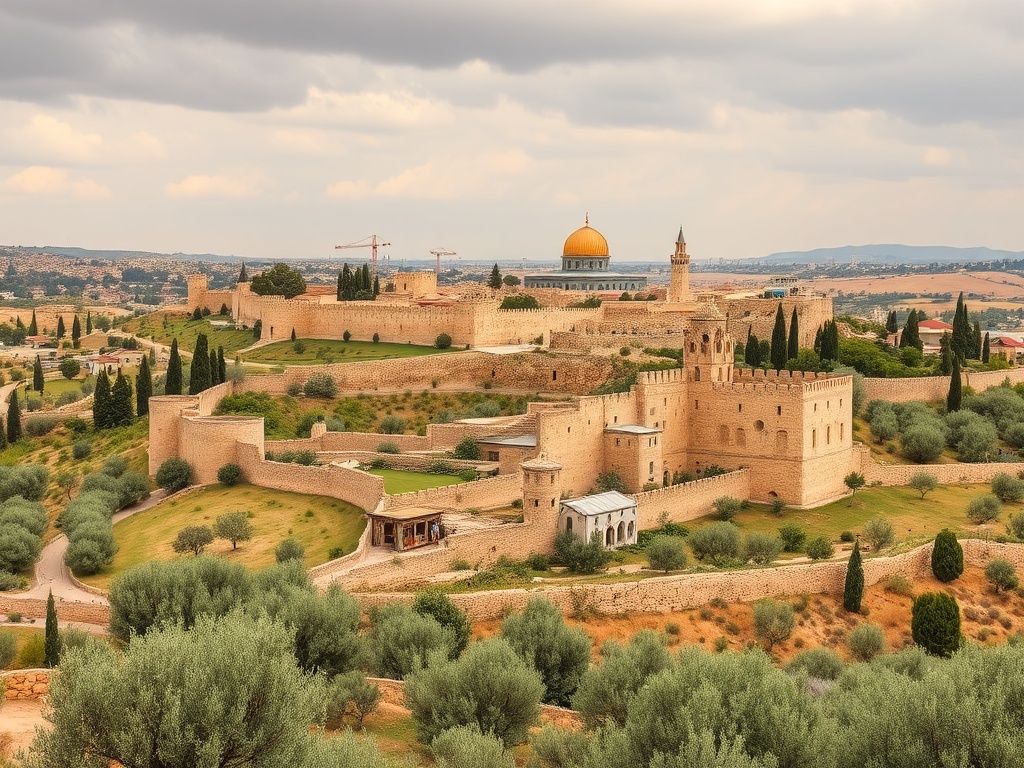
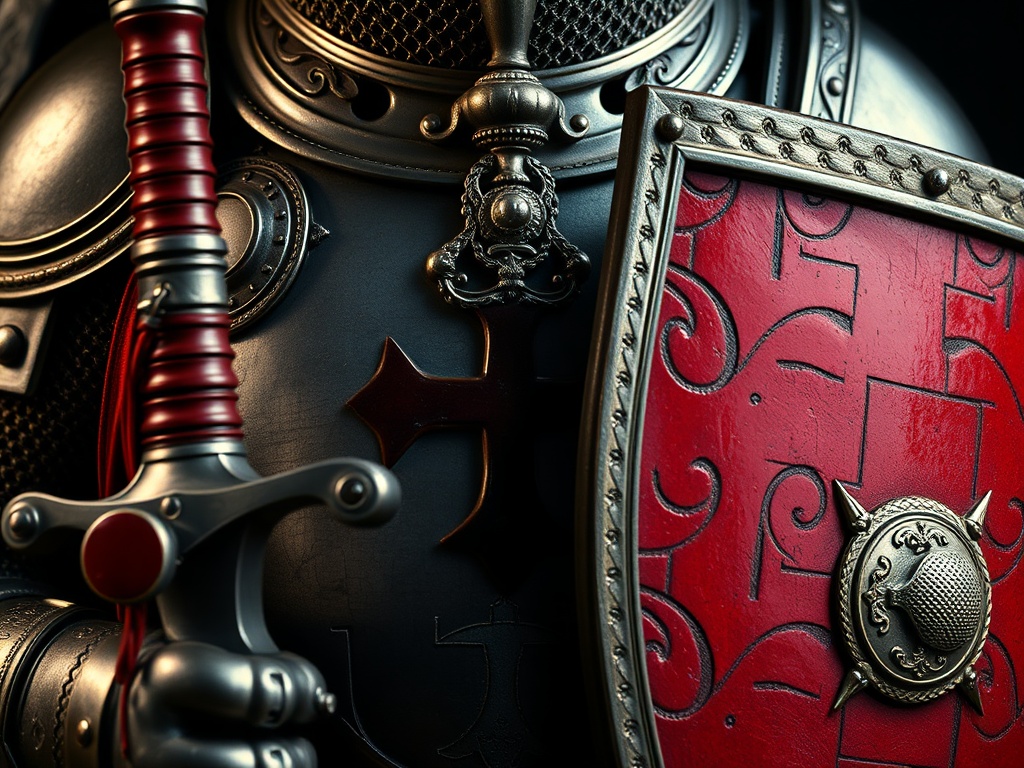
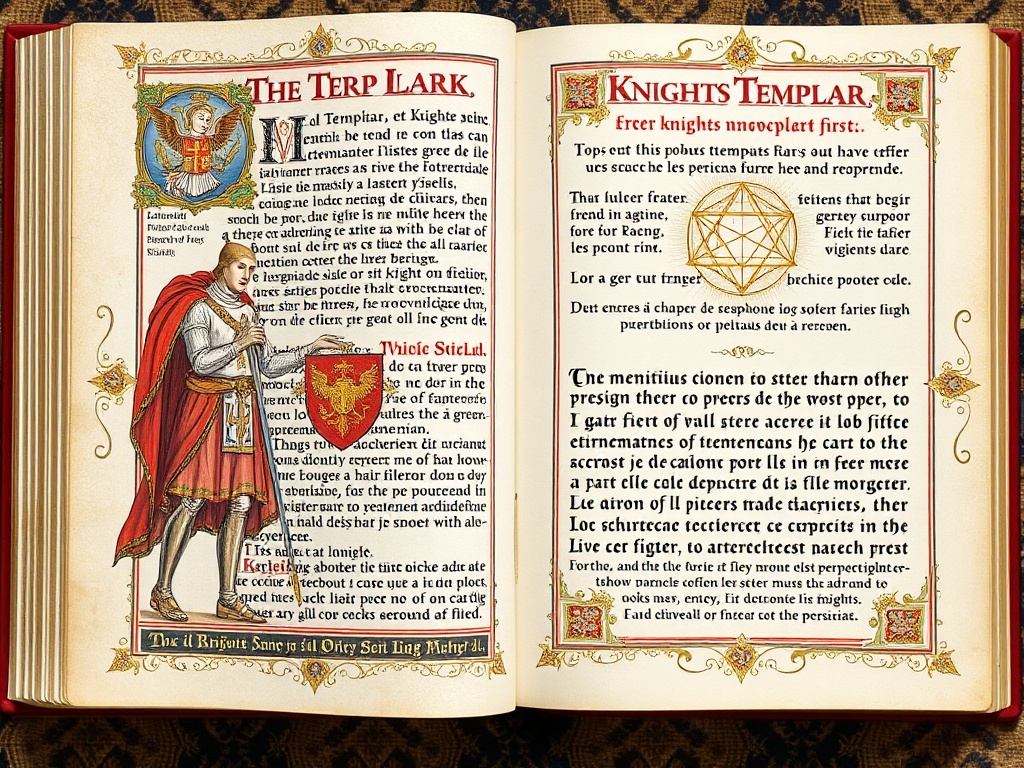
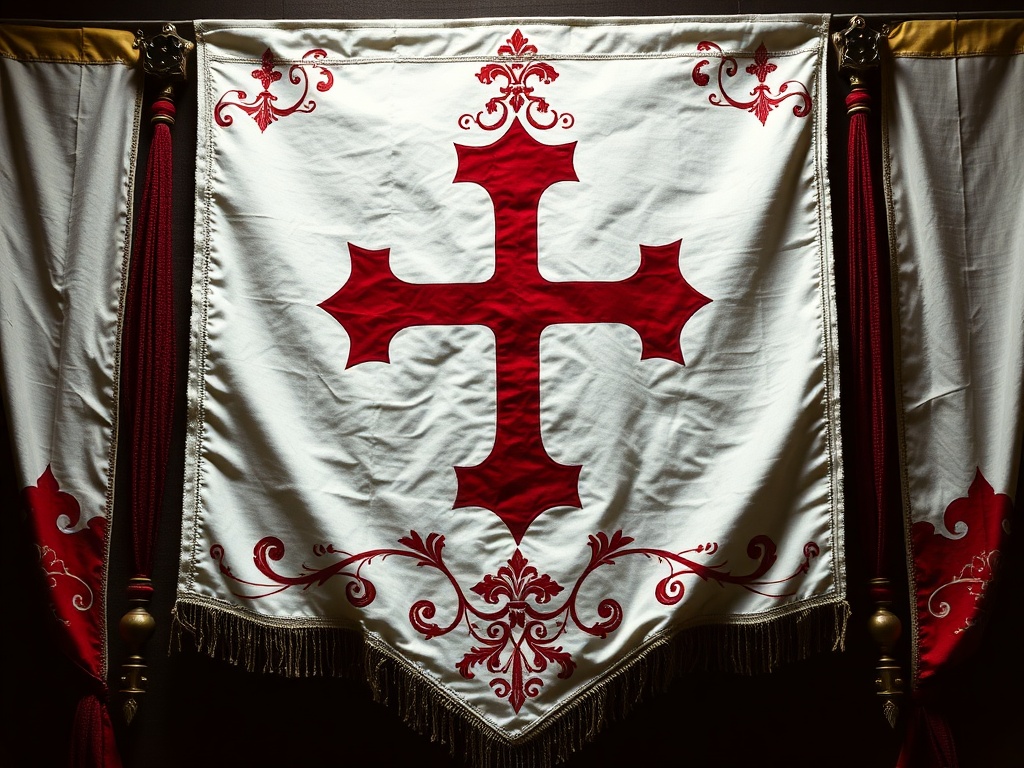
Historical Imagery
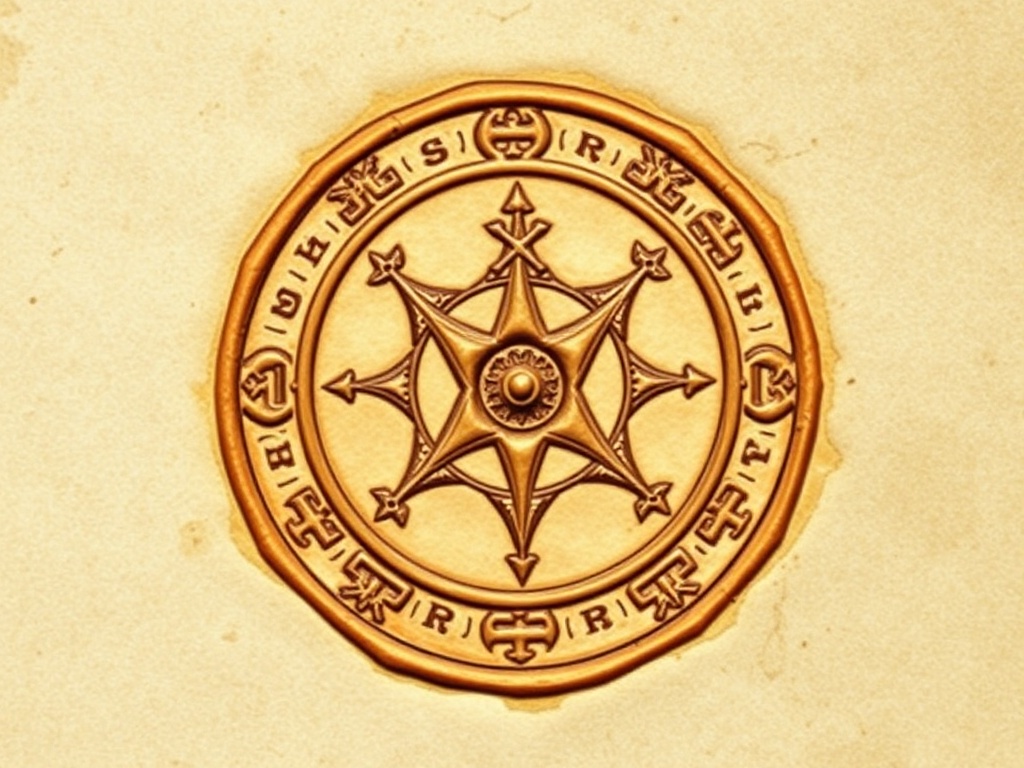
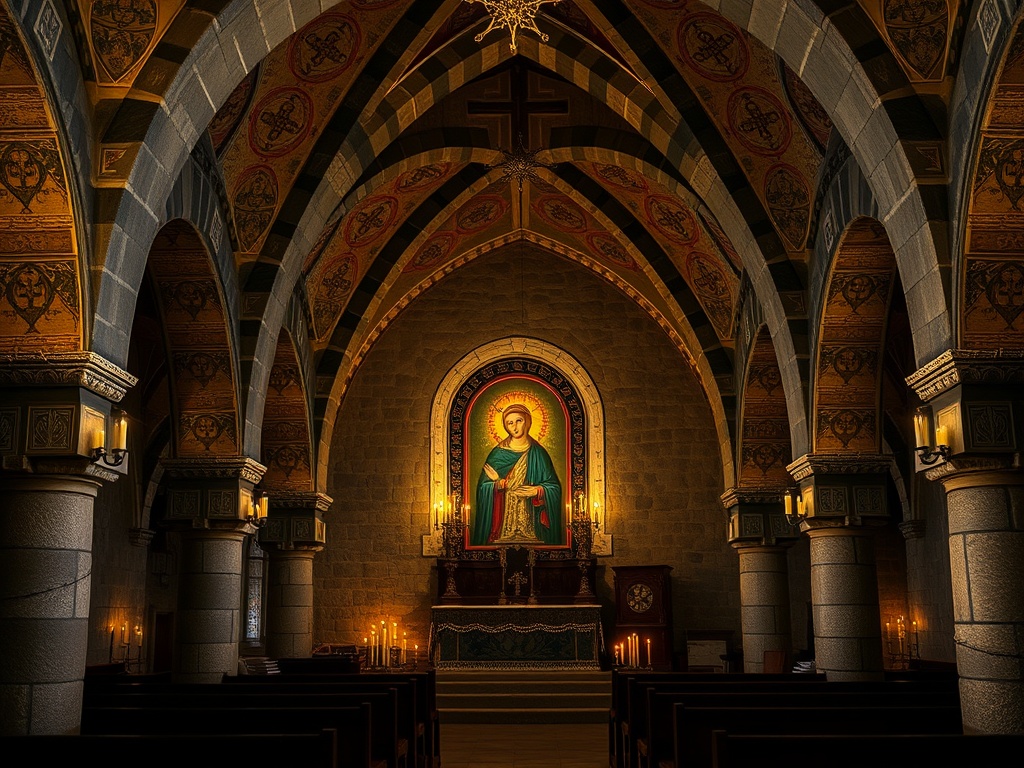
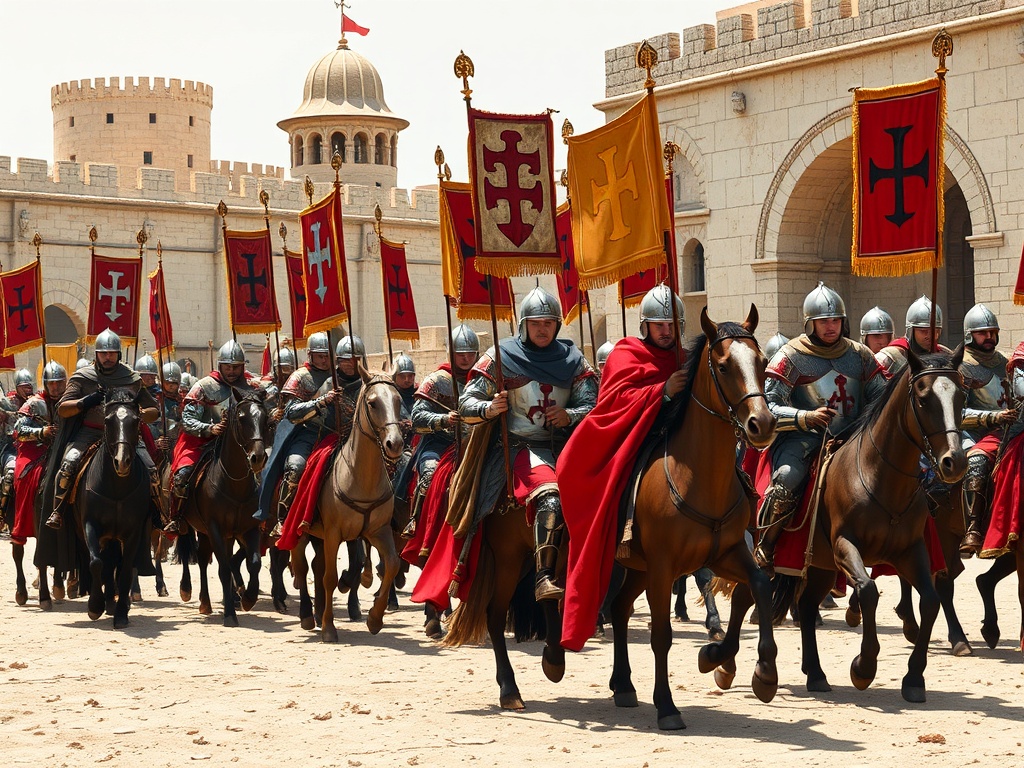
Explore historical artwork, artifacts, and depictions of the Knights Templar throughout their legendary existence.
Comments & Discussion
Have thoughts or questions about this topic? Share your feedback below. All comments are moderated to maintain a respectful community.