Penn State Dance Marathon (THON)
The World's Largest Student-Run Philanthropy Event for Pediatric Cancer Research
Discovering the history, mission, and enduring impact of the world's largest student-run philanthropic event.
Learn about Penn State Dance Marathon's remarkable journey from a small student initiative in 1977 to a global movement raising millions of dollars annually for Four Diamonds pediatric cancer research. Explore how thousands of student dancers, organizers, and volunteers unite each year for a 46-hour dance marathon celebrating hope, community, and the power of collective action. Understand the organization's mission to support children battling cancer while building lifelong philanthropic values in student leaders.
Start Learning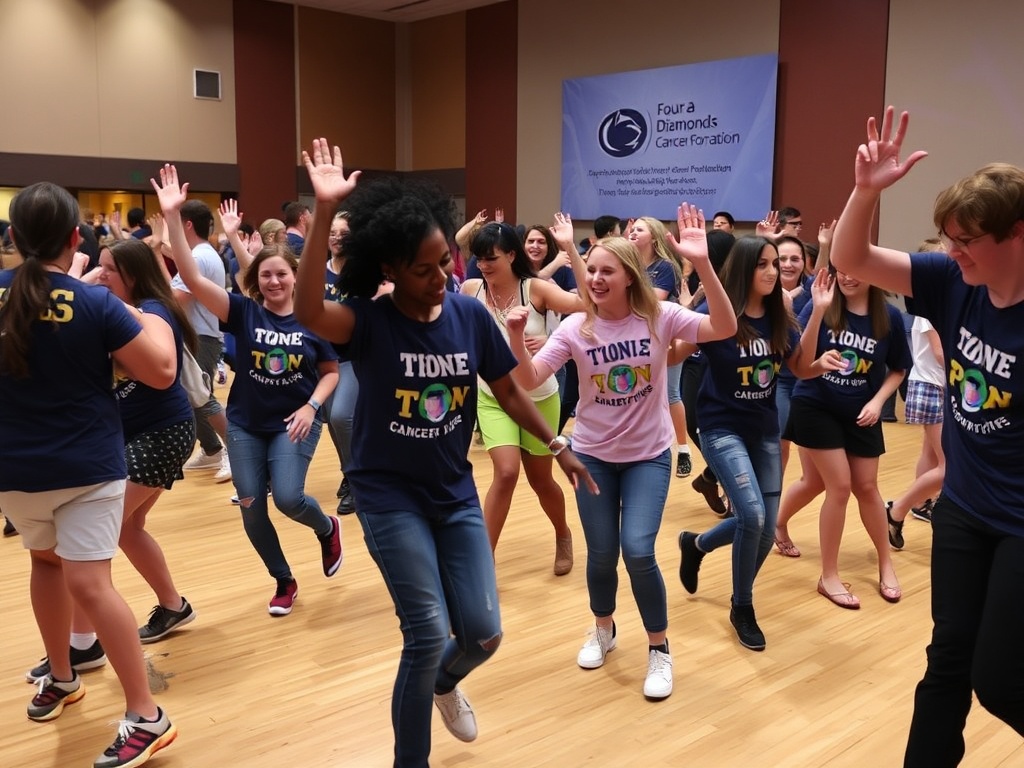
History of Penn State Dance Marathon
Penn State Dance Marathon represents a distinctive model of student philanthropy, evolving over nearly 50 years from a single dormitory dance event into the world's largest student-run philanthropy, generating over $16 million cumulatively for pediatric cancer research through Four Diamonds.
Founding and Early Years (1977-1990): A Grassroots Beginning
Penn State Dance Marathon was founded in 1977 when a group of Penn State University students organized a small dance marathon in a dormitory to raise funds for pediatric cancer research. The initial event was modest in scale, but the concept resonated with the student body, reflecting broader movements in American student activism during the 1970s toward socially conscious fundraising and community engagement. The early organizers recognized that students possessed unique power to mobilize peers and generate resources for charitable causes while building philanthropic leadership skills and values.
The connection to Four Diamonds, Penn State's beneficiary organization, emerged organically from the university community. Four Diamonds provides comprehensive support to children fighting cancer and their families, including financial assistance, emotional support, and advocacy. The partnership between Penn State Dance Marathon and Four Diamonds became foundational, with THON dancers and supporters building deep connections to the organization's mission and the children it serves. Personal stories from families affected by pediatric cancer became central to THON's culture, personalizing the cause and motivating sustained commitment.
Through the late 1970s and 1980s, Penn State Dance Marathon grew organically from a dormitory event to a larger campus tradition. The 46-hour dance marathon format emerged during this period, establishing the event's distinctive identity. Dancers committed to continuous dancing for 46 hours without sitting down, a physical challenge symbolizing dedication to the cause and commitment to the children Four Diamonds serves. The format created powerful bonding experiences among dancers and built community support as students, families, and faculty gathered to witness and support the event.

Expansion and National Recognition (1990-2005): Building a Movement
Growth of Penn State THON
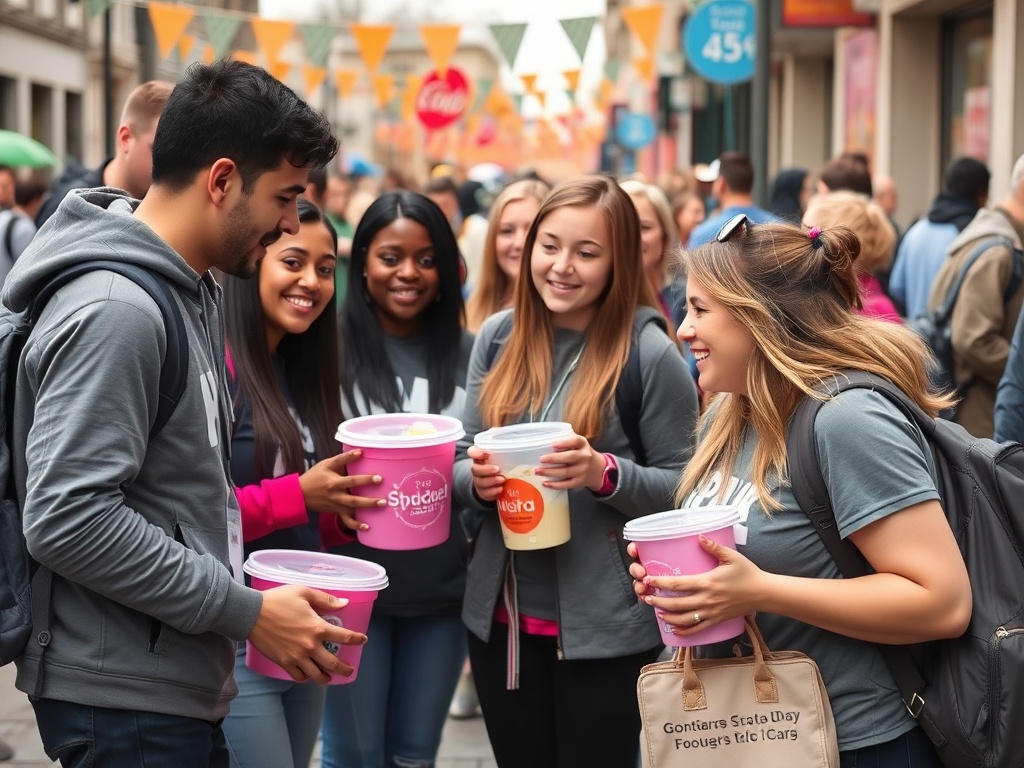
The 1990s witnessed significant expansion of Penn State Dance Marathon as the event grew from a campus initiative to a major philanthropic enterprise. The Pennsylvania state capital location and Penn State's large student body provided advantages for growth, but the primary driver was student enthusiasm and commitment to the cause. The event expanded from the dormitory to larger venues, eventually requiring the university's largest indoor facility. By the early 2000s, Penn State Dance Marathon had become one of the largest student-run fundraising events in the United States, attracting dancers, volunteers, and supporters numbering in the thousands.
During this period, THON developed increasingly sophisticated organizational structures and practices. The organization established formal committee systems addressing fundraising, logistics, dancer recruitment, scheduling, and communication. Professional management practices emerged, with student leaders receiving training in nonprofit management, fundraising strategy, and event operations. The organization began tracking data on fundraising efficiency, donation patterns, and event participant satisfaction, utilizing metrics to improve operations continuously.
The 1990s also witnessed THON's expansion beyond the university campus into the broader Penn State community. Community members became involved as donors, volunteers, and supporters. Local businesses developed sponsorships and partnerships with THON, recognizing both the philanthropic value and marketing opportunities. Alumni networks strengthened THON support, with graduates maintaining connections to the organization and supporting it financially even after leaving campus. This broadening of THON's community base increased fundraising capacity and demonstrated the organization's social significance beyond the university.
National and International Expansion
By the early 2000s, Penn State Dance Marathon had achieved national recognition as the leading student-run philanthropy event in the United States. Media coverage increased substantially, with national news outlets featuring THON's fundraising achievements and the personal stories of Four Diamonds families. This media attention attracted attention from other universities interested in replicating the THON model. Penn State students began facilitating the establishment of THON-inspired events at other universities, though Penn State THON remained the largest and most successful incarnation of the model.
Organization and Structure: The THON Experience
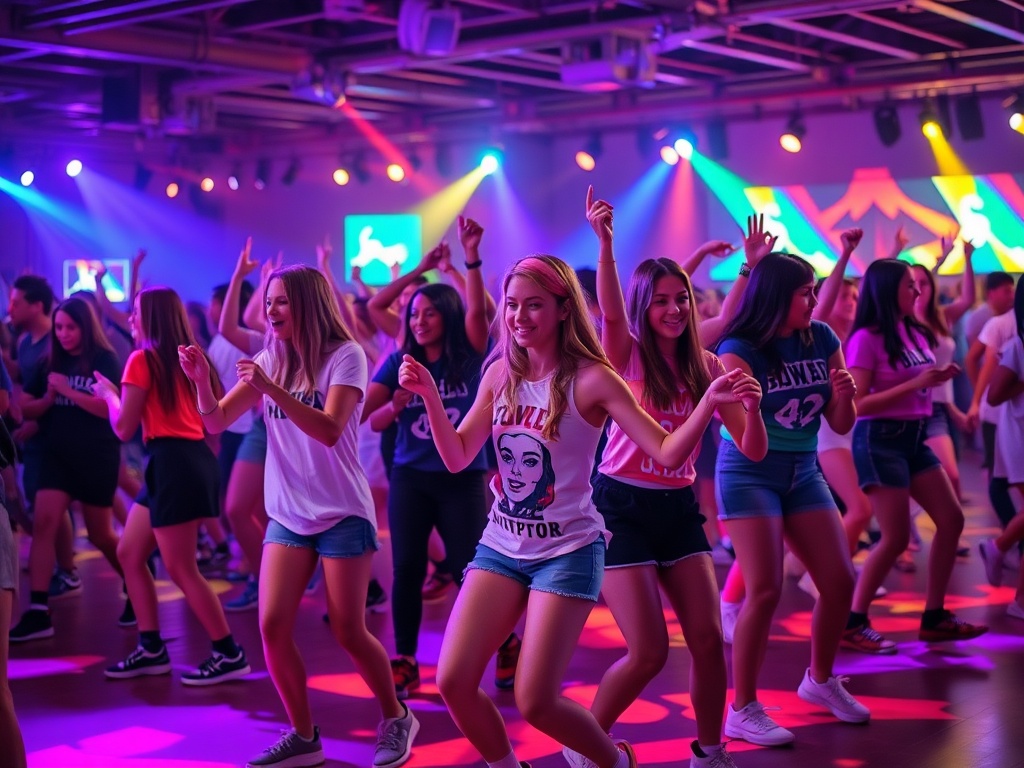
The 46-Hour Dance Marathon
- • Continuous dancing for 46 hours without sitting down
- • Thousands of student dancers from across the university
- • Music, performances, and entertainment throughout the event
- • Four Diamonds children and families celebrated at final hours
- • Grand finale celebration and fundraising total announcement
Year-Round Engagement
- • Fundraising campaigns throughout the year
- • Committee work and event organization and preparation
- • Connections with Four Diamonds families and children
- • Training and leadership development programs
- • Community outreach and volunteer coordination
Greek Life and IFC/Panhellenic Involvement
Central Role of Greek Organizations in THON
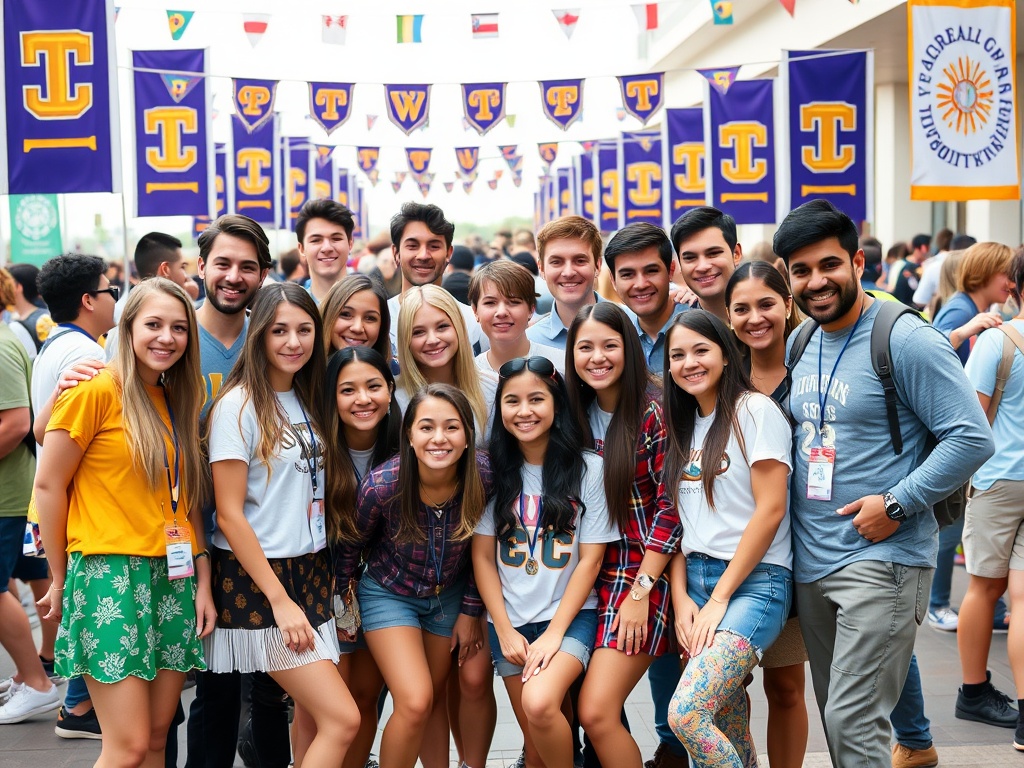
Greek life organizations—both fraternities and sororities—have emerged as central pillars of Penn State Dance Marathon's success since the organization's earliest years. The Interfraternity Council (IFC) and Panhellenic Council have recognized THON as an ideal platform for advancing their shared values of philanthropy, community service, and brotherhood/sisterhood. Greek chapters collectively represent a significant portion of THON's dancers, organizers, volunteers, and fundraisers, with many chapters making THON fundraising a core component of their annual philanthropic calendar and chapter missions.
The connection between Greek life and THON reflects alignment between THON's core values and Greek fraternal principles. Both emphasize commitment to community, personal growth through service, and the power of collective action to create meaningful change. Greek organizations' emphasis on lifelong bonds, sisterhood/brotherhood, and charitable giving creates natural synergies with THON's mission of supporting children fighting cancer and building lifelong philanthropic leaders among college students.
IFC and Panhellenic Leadership and Support
The Interfraternity Council and Panhellenic Council have institutionalized support for THON through formal partnerships, chapter engagement programs, and leadership participation. IFC and Panhellenic councils have designated THON as a primary philanthropic priority for their member organizations, encouraging chapters to participate collectively in fundraising, dancer recruitment, and volunteer coordination. Many IFC and Panhellenic councils have established formal THON committees responsible for coordinating Greek chapter involvement, sharing best practices across organizations, and maximizing both participation and fundraising from the Greek community.
Greek chapter members serve in significant leadership roles within THON, including positions on executive committees, fundraising teams, and specialized committees addressing dancer logistics, Four Diamonds relationships, and volunteer coordination. The visibility of Greek students in THON leadership demonstrates the organization's centrality to Greek life culture at Penn State and the commitment of fraternities and sororities to THON's mission.
Chapter-Level Fundraising and Participation
Individual Greek chapters have developed comprehensive THON engagement strategies that integrate THON fundraising with chapter events, rituals, and traditions. Chapters organize THON-focused fundraising events including themed parties, skill competitions, merchandise sales, and philanthropic activities designed to raise funds while building excitement for the main event. Many chapters dedicate philanthropy budgets to THON, commit chapter members to dancing the full 46 hours, and encourage broad participation across diverse chapter roles—from dancers to organizers to supporting volunteers.
The Greek community's ability to mobilize large numbers of participants, coordinate complex fundraising efforts, and maintain sustained commitment throughout the year amplifies THON's capacity significantly. Some estimates suggest that Greek chapter members represent 30-40% of THON dancers and a comparable proportion of volunteer labor supporting the event. This contribution is proportionally significant given Greek life's representation as approximately 15-20% of Penn State's student body, demonstrating Greek organizations' disproportionate commitment to THON's mission.
Philanthropy Alignment and Cultural Integration
THON has become so deeply integrated into Greek life culture at Penn State that participation is nearly universal across chapters. For many Greek students, THON represents the primary expression of their chapter's philanthropic commitment and values. IFC and Panhellenic councils promote THON participation as essential to fulfilling chapters' philanthropic missions, with participation rates and fundraising totals often referenced in chapter assessments and leadership evaluations.
The annual THON event has become a central point in the Penn State Greek calendar, with chapters coordinating dance shifts, organizing transportation, and planning social activities around THON weekend. For many Greek students, participation in THON becomes a defining element of their college experience and a lifelong commitment. Greek alumni frequently maintain involvement with THON through continued donations, volunteer support during reunions, and mentoring newer chapter members about THON's significance.
Networking and Collaboration Between Chapters
THON has become a catalyst for collaboration and networking across Greek chapters that might not otherwise interact substantively. Fraternities, sororities, and multicultural Greek organizations work collectively toward THON's mission, building cross-chapter relationships and demonstrating the power of unified Greek community action. This collaboration extends beyond THON to broader Greek life initiatives, with chapters reporting that THON participation strengthens interfraternal bonds and promotes collective Greek community identity. The shared commitment to supporting Four Diamonds children creates emotional connections and mutual respect across the Greek community, advancing broader Greek life goals of building inclusive, values-driven communities united around meaningful causes.
Modern Era and Global Impact (2005-Present)
Exponential Growth and Record-Breaking Achievement
The 2000s and 2010s brought unprecedented growth and increasing recognition of Penn State Dance Marathon as the preeminent student-run philanthropy event globally. From 2005 to 2015, THON's annual fundraising increased dramatically, with the organization consistently breaking its own records. By the mid-2010s, THON surpassed $10 million in total cumulative fundraising, representing nearly three decades of sustained student commitment to Four Diamonds. The organization's scale expanded exponentially, eventually requiring the university's largest indoor facilities and multiple simultaneous events to accommodate all dancers and supporters who wanted to participate. THON's unprecedented success inspired similar dance marathon events at universities worldwide, though Penn State THON remained the largest and most successful incarnation, maintaining its position as the gold standard of student-run philanthropy.
Digital Transformation and Online Fundraising Revolution
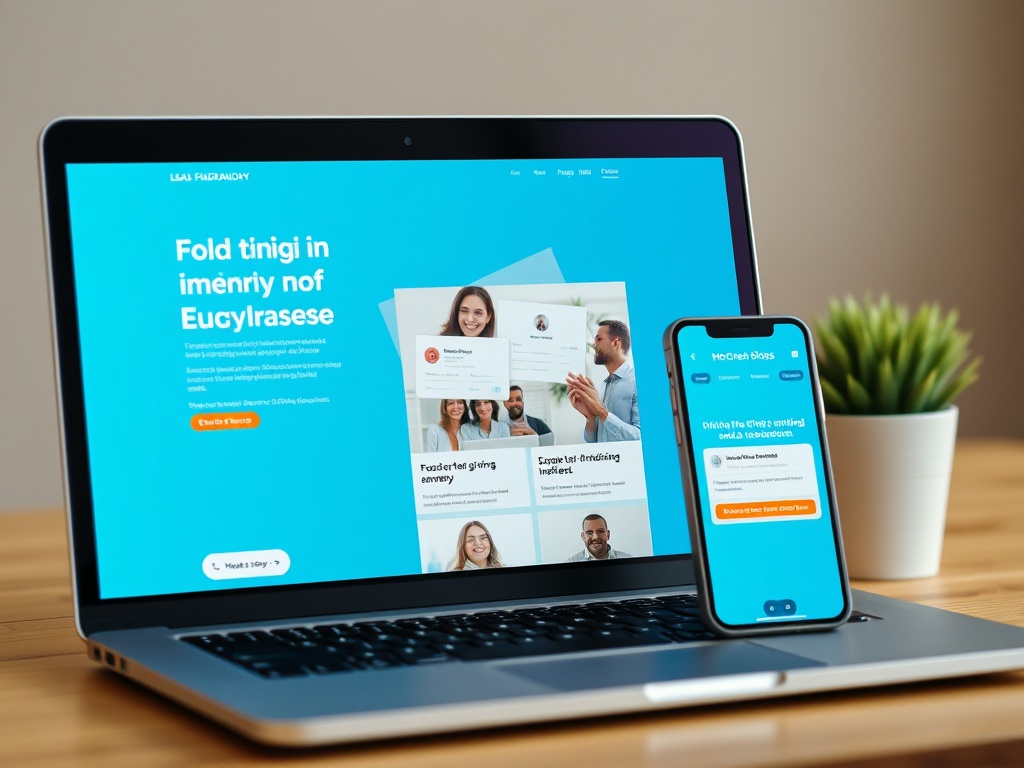
The advancement of digital technology and social media fundamentally transformed THON's fundraising and community engagement capabilities in the 2010s. Online fundraising platforms such as THON's dedicated donation websites, Facebook Fundraisers, and crowdfunding initiatives dramatically expanded the organization's reach beyond the Penn State community to alumni, supporters, and donors across the United States and internationally. Text-to-donate campaigns, QR code fundraising, and peer-to-peer fundraising networks enabled supporters to contribute easily, multiplying the organization's fundraising efficiency. Social media platforms enabled THON to share compelling stories, personal testimonies from Four Diamonds families, and real-time event updates, building emotional connections with supporters unable to attend the event in person. Instagram, TikTok, and YouTube became critical channels for reaching younger donors and showcasing the event's energy, community spirit, and impact.
Virtual participation opportunities emerged during the 2010s and expanded significantly during the COVID-19 pandemic, allowing broader engagement when in-person events faced restrictions. Virtual THON experiences in 2021 and 2022 included livestreamed performances, online dance parties, virtual committee meetings, and digital engagement activities. Despite the challenges of pandemic restrictions, these innovations demonstrated that THON's core mission and community spirit could adapt to new formats, ultimately expanding the organization's potential reach and accessibility for future events.
Organizational Sophistication and Professional Development
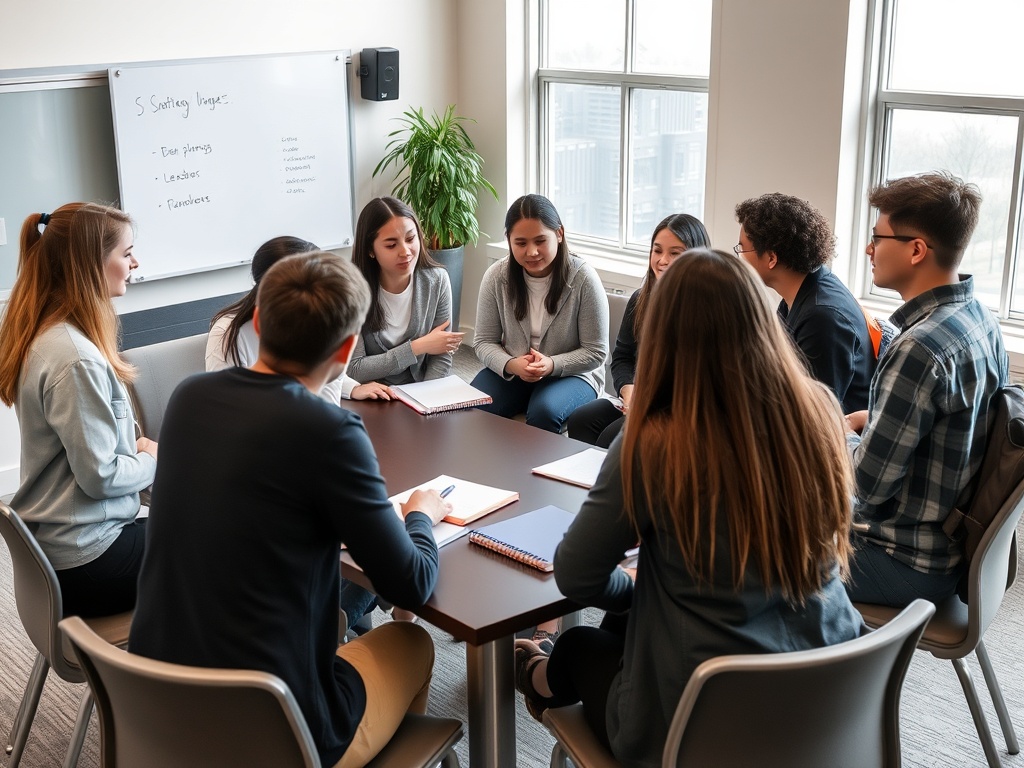
As THON's scale increased, the organization developed increasingly sophisticated management systems and professional practices. Student leaders began receiving formal training in nonprofit management, fundraising strategy, event operations, marketing, and volunteer coordination through THON's leadership development programs. Executive committees established data analytics capabilities to track fundraising patterns, donor demographics, and event efficiency metrics. Professional fundraising consultants and business mentors began advising THON leadership, bringing expertise from the nonprofit and corporate sectors. The organization developed detailed operational manuals, comprehensive volunteer training programs, and standardized processes for event management, ensuring consistency and quality across THON's many components.
THON's organizational structure evolved to include specialized committees addressing distinct functional areas: Fundraising and Development, Communications and Social Media, Dancer Recruitment and Logistics, Four Diamonds Relationships, Community Partnerships, Financial Management, and Student Leadership Development. This professionalization attracted ambitious student leaders seeking meaningful leadership opportunities and real-world experience in nonprofit management. Many student participants leveraged THON experience in applications to graduate programs, professional careers in nonprofit management, and positions with other charitable organizations.
Pandemic Adaptation and Resilience (2020-2023)
The COVID-19 pandemic presented unprecedented challenges to THON's in-person event model in 2020 and 2021. With university facilities closed and large gatherings restricted, THON leadership faced the critical decision to either cancel or innovate. The organization chose resilience and adaptation, creating virtual THON experiences that maintained community spirit while adhering to health protocols. Dancers participated in coordinated virtual dance sessions, often dancing in their homes while connected to a livestream experience that maintained the emotional intensity and camaraderie central to THON's culture. Four Diamonds families participated in virtual celebrations, and the final fundraising announcements were livestreamed to thousands of viewers across the United States.
The 2021 and 2022 virtual THONs raised over $10 million cumulatively despite in-person restrictions, demonstrating that THON's core power—student commitment to helping children fighting cancer—transcended physical location. This period of forced innovation led to permanent changes in THON's operational approach, with hybrid models emerging that combined in-person and virtual participation options. The organization recognized that allowing broader participation through virtual options expanded its potential reach and inclusivity without diminishing the intensity of the in-person event experience.
THON's 2023 return to full in-person celebration represented the organization's triumph over pandemic challenges and renewed commitment to the 46-hour dance marathon format that had defined the event for nearly 50 years. The emotional intensity of return to in-person celebration, combined with recognition of pandemic impacts on cancer care and childhood experiences, deepened participants' commitment and connections to Four Diamonds' mission.
Current State and Contemporary Impact
Today, Penn State Dance Marathon represents the world's largest student-run philanthropy event, raising over $16 million cumulatively with annual fundraising consistently exceeding $1 million in recent years. The 2024 THON event set new records with thousands of dancers, hundreds of Four Diamonds beneficiaries in attendance, and participation from across North America. The organization serves as a comprehensive learning laboratory for student leadership development, with hundreds of student leaders gaining experience in nonprofit management, fundraising strategy, event operations, and community engagement. THON participants develop lifelong commitment to philanthropy, with survey data indicating that over 80% of alumni continue charitable giving and volunteer work years after graduation.
THON's influence extends across hundreds of universities worldwide where similar dance marathon events have been established, creating a global network of student-led philanthropy movements inspired by the Penn State model. Universities from the United Kingdom to Australia to Canada have developed local versions of dance marathons, though Penn State THON remains the largest and most influential. THON leadership regularly consults with emerging dance marathon programs, sharing best practices, fundraising strategies, and operational expertise, extending the organization's impact far beyond Penn State's campus.
Diversity, Inclusion, and Accessibility Initiatives
Modern THON has prioritized expanding diversity and inclusion across its leadership, dancer population, and community partnerships. Recognizing that cancer affects families across all backgrounds and socioeconomic circumstances, THON has actively recruited student leaders from underrepresented communities, developed outreach programs in diverse student organizations, and built partnerships with cultural organizations and affinity groups. Language accessibility and cultural sensitivity training have become standard components of THON's leadership development programs, ensuring that the organization's culture and communications welcome participants from all backgrounds.
Physical accessibility has also evolved as a priority, with THON developing accommodations for dancers with disabilities, mental health considerations, and various medical conditions. The organization's recognition that "46 hours of dancing" can be adapted to encompass various forms of participation—including wheelchair dancing, adapted movement, and support roles for those unable to dance full duration—has broadened THON's inclusivity and demonstrated that fundraising for children fighting cancer transcends physical capability.
Four Diamonds Partnership and Family-Centered Approach
The relationship between THON and Four Diamonds has deepened and formalized in recent years, with the organizations developing comprehensive partnership frameworks that extend beyond the annual event. THON funds support Four Diamonds' direct care programs, research initiatives, and family support services. The organizations collaborate on planning, with Four Diamonds families increasingly involved in THON's strategic development and event design. Family feedback and input now directly shape THON's operations, ensuring that the organization remains responsive to the needs and experiences of the children and families it serves.
The "THON family" concept—encompassing dancers, organizers, Four Diamonds families, supporters, and volunteers—has become central to modern THON culture. The organization explicitly recognizes that participation in THON creates lasting relationships that extend far beyond the 46-hour event. Many families maintain connections with THON dancers and organizers for years, and many THON participants become lifelong supporters of Four Diamonds and pediatric cancer research.
Looking Forward: THON's Continued Evolution
THON's success demonstrates the power of sustained student commitment, strong organizational structures, meaningful community partnerships, and deep emotional connections to compelling causes in mobilizing resources and creating social change. The organization continues evolving to address contemporary challenges—including rising costs of pediatric cancer care, mental health impacts of serious illness on families, and the need for inclusive, accessible community spaces—while remaining faithful to its foundational mission of supporting children fighting cancer. As THON approaches its 50th anniversary, the organization positions itself as a model for student-led social change, demonstrating that young people, when empowered and inspired, possess remarkable capacity to improve the world and support those in need.
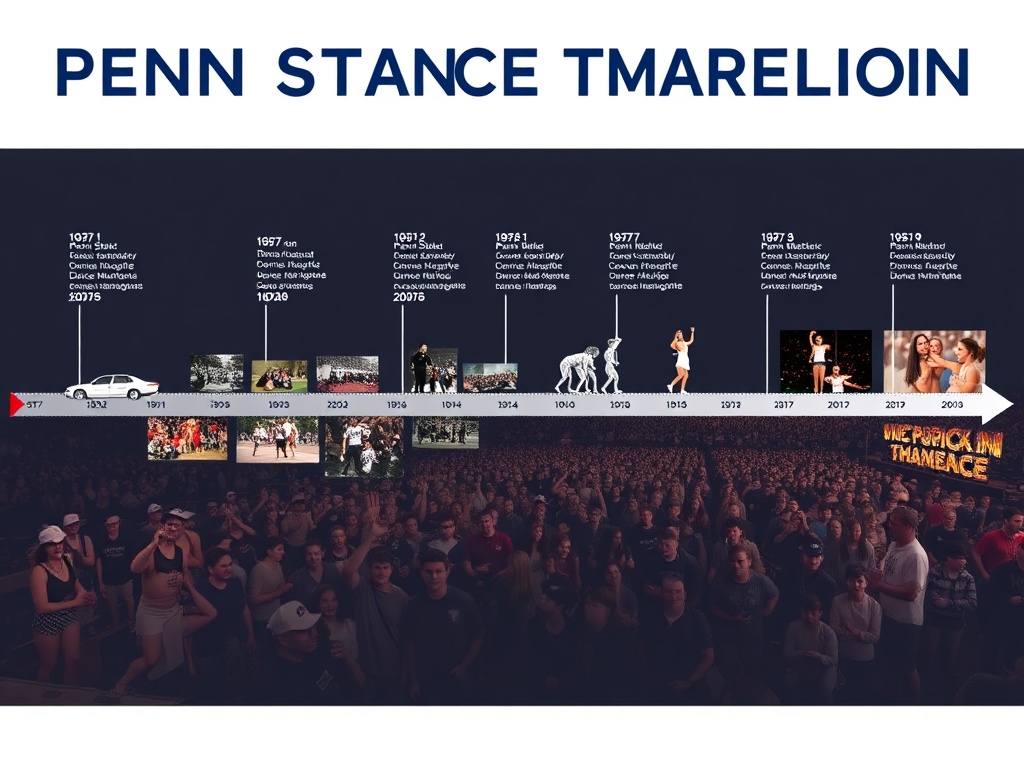
Community Impact and Social Responsibility
Penn State Dance Marathon's impact extends far beyond fundraising totals to transformative effects on individual participants, Four Diamonds families, and the broader philanthropic community. Student participants report profound personal growth through THON involvement, developing leadership skills, philanthropic values, and lifelong commitments to charitable giving and volunteering. Many THON leaders pursue careers in nonprofit management, social work, education, and other fields focused on community service, representing a pipeline of socially conscious professionals dedicated to improving society.
For Four Diamonds families, THON provides critical financial assistance, emotional support, and validation of their child's worth and significance. Participants meeting Four Diamonds children during the event's final hours experience profound emotional connections, understanding concretely how their efforts directly support children and families facing devastating circumstances. These connections sustain motivation and commitment, with many THON participants involved for multiple years, driven by relationships developed with families they've come to care about deeply.
Beyond immediate beneficiaries, Penn State Dance Marathon has influenced American student culture and philanthropic norms. The event demonstrates that students possess capacity for sustained, sophisticated fundraising and that college students can be mobilized for genuine social causes. THON has inspired similar events at hundreds of universities, creating a network of student-led philanthropy movements. The organization's success has influenced university leadership regarding the importance of supporting student-initiated charitable work and recognizing student capacity for community engagement and social responsibility.
Penn State Dance Marathon Core Values and Mission
Organizational Mission
- • Support Four Diamonds and families fighting pediatric cancer
- • Develop student leaders committed to philanthropy and service
- • Build inclusive community united around a common cause
- • Raise maximum financial resources for cancer research
- • Celebrate hope, resilience, and human connection
Core Values and Commitments
- • Nearly 50 years of continuous student-led philanthropy
- • Commitment to families and children fighting cancer
- • Student empowerment and leadership development
- • Transparency and accountability in fundraising and spending
- • Inclusive community building and peer engagement
Comments & Discussion
Have thoughts or questions about this topic? Share your feedback below. All comments are moderated to maintain a respectful community.