Independent Order of Odd Fellows
A Historic Fraternal Organization Dedicated to Friendship, Love, and Truth with Nearly 300 Years of Community Service
A comprehensive exploration of one of the world's oldest and most influential fraternal organizations.
Discover the rich heritage of the Odd Fellows, their principles of friendship, love, and truth, and their enduring commitment to charity and mutual aid that has shaped communities worldwide for nearly 300 years.
Featured Video
Explore the history and significance of the Independent Order of Odd Fellows
This comprehensive video presentation traces the evolution of the Independent Order of Odd Fellows from its humble beginnings as informal mutual aid societies in 18th-century England to its emergence as one of the world's most influential fraternal organizations. Discover how the principles of Friendship, Love, and Truth shaped centuries of charitable work, community service, and personal development. Learn about the organization's unique structure, its pioneering inclusion of women through the Rebekah degree, and its enduring commitment to serving communities across North America and beyond. Through compelling historical narratives and visual documentation, this video illuminates the brotherhood's remarkable impact on society and the timeless relevance of its fraternal ideals in the modern world.
Whether you are new to the Independent Order of Odd Fellows or a long-time member, this video provides valuable insights into the organization's rich history, enduring values, and continuing significance in an ever-changing world. The stories and perspectives shared demonstrate how fraternal principles translate into concrete action that improves lives and strengthens communities.
History of the Odd Fellows
The Independent Order of Odd Fellows has a fascinating history spanning nearly three centuries, evolving from social aid societies to a worldwide fraternal organization dedicated to charity and moral development.
The Origins and Development of Odd Fellowship
The roots of Odd Fellowship trace back to England in the early 18th century, during a period of significant social and economic change. The Industrial Revolution was reshaping British society, creating new urban centers and a growing working class that often lacked formal social safety nets. In this context, informal mutual aid societies began forming among working men who pooled their resources to provide financial support during times of hardship, sickness, or death.
What distinguished these early Odd Fellows societies was their unique approach to social organization. Unlike the rigid class structures of Victorian England, these groups deliberately crossed social boundaries, uniting men from different trades and professions. This unconventional mixing earned them the name "Odd Fellows"—members were considered "odd" for their willingness to associate with individuals from diverse backgrounds and social stations. The organizations combined practical mutual aid with a deeper commitment to moral improvement and personal development, creating a fellowship that was both pragmatic and spiritual in nature.
By the early 19th century, these scattered local societies began to coordinate and formalize their practices. The establishment of the Manchester Unity in 1810 marked a turning point, bringing standardized rituals, governance structures, and initiation ceremonies to what had previously been informal associations. This formalization allowed Odd Fellowship to transcend its regional origins and become a true fraternal order with international reach and influence.
Early British Societies
The earliest known Odd Fellows organizations emerged in England during the 1730s-1750s as informal mutual aid societies among working-class men. These groups met in taverns and public houses, pooling small weekly contributions to create funds for members facing hardship, illness, or death. The movement reflected a need for community support independent of traditional church or government institutions.
Manchester Unity
In Manchester, England, scattered Odd Fellows groups unified into the Manchester Unity of Odd Fellows, establishing the first standardized ritual, three-degree initiation system, and formal governance structure. This organization created the template that would allow Odd Fellowship to expand globally while maintaining consistent principles and practices worldwide.
Expansion to North America
The first documented Odd Fellows lodge in America, Washington Lodge No. 1, was established in Baltimore, Maryland, in 1819 by English immigrants. The organization rapidly spread throughout North America, with lodges forming in major cities and eventually reaching the frontier. American Odd Fellowship developed its own character while honoring its British heritage.
Peak Membership and Influence
The latter 19th century represented Odd Fellowship's zenith, with hundreds of thousands of members worldwide. Lodges became centers of community life, with impressive lodge buildings serving as gathering places. The organization established auxiliary branches for women (Rebekah degree) and youth, expanding its reach. During this period, Odd Fellows halls were among the finest buildings in many towns.
Navigating Social Changes
The rise of government welfare systems, world wars, and social upheaval of the 20th century challenged traditional fraternal organizations. Odd Fellowship adapted by emphasizing personal development, community service, and charitable work. Despite declining membership numbers, the organization maintained its core values and continued important philanthropic activities.
Modern Era and Global Presence
Today, Odd Fellowship operates in multiple countries with lodges in Europe, North America, Australia, and the Pacific region. While membership numbers have changed from the 19th-century peak, the organization remains vital to its members and communities. Modern Odd Fellows continue the traditions of mutual aid and brotherhood while engaging with contemporary social issues and charitable needs.
Branches and Development
Independent Order of Odd Fellows (IOOF)
The Independent Order of Odd Fellows, established in the United States in 1819, evolved into the dominant Odd Fellows organization in North America. Breaking away from the Manchester Unity structure, the IOOF developed its own unique governance system, ritual practices, and organizational approach while maintaining core connections to the broader international Odd Fellows movement. This independence allowed the IOOF to adapt more readily to American society and develop innovative subsidiary organizations.
The IOOF pioneered the formal establishment of subsidiary degrees and auxiliary bodies specifically for women, youth, and other demographic groups who could not initially access traditional male-only lodges. This forward-thinking approach strengthened the organization by expanding participation and creating pathways for broader community engagement. Today, the IOOF operates primarily in North America with subordinate lodges in all fifty states plus Canada and other regions.
Structure and Governance: The IOOF maintains a three-tier governance structure consisting of local lodges, state/provincial grand lodges, and the Sovereign Grand Lodge. Each level maintains significant autonomy while adhering to universal Odd Fellowship principles. The IOOF has established specialized committees and departments to manage ritual standardization, member benefits, charitable initiatives, and fraternal education across its extensive network.
Rebekah Degree and Women's Participation
In response to persistent requests from members' wives, sisters, and female relatives, the Rebekah degree was formally established in the 19th century, representing a revolutionary step in fraternal organization history. This degree allowed women to become full members of Odd Fellowship and participate in all aspects of fraternal life. This innovative step made Odd Fellowship one of the first major fraternal organizations in the world to formally include women, decades before most other fraternal groups.
Rebekah lodges are parallel organizations to Odd Fellows lodges, operating with their own autonomous governance structures, elected officers, and independent financial management. Each Rebekah lodge confers its own degrees, conducts its own business, and organizes its own charitable initiatives. Importantly, Rebekah members maintain equal standing with Odd Fellows members in the broader organization and often coordinate joint charitable projects, social events, and ceremonial demonstrations.
Degree System: Rebekah members progress through the same foundational three degrees as male members (Friendship, Love, and Truth), conferred with ceremony appropriate to the Rebekah tradition. Rebekah members also have access to the Royal Purple degree, an advanced degree providing teachings and ritual work parallel to the Encampment degrees available to male members. Today, many jurisdictions have embraced co-ed Odd Fellows lodges where men and women participate together, while traditional gender-segregated lodges continue to thrive in other areas.
Encampment Degrees
The Encampment system represents the advanced degree structure of Odd Fellowship, offering members who have completed the first three degrees opportunities for deeper education, specialized leadership training, and advancement through additional higher degrees. The Encampment was created to serve members who had demonstrated exceptional commitment and wished to continue their fraternal development beyond the primary degree system. This tiered advancement structure allows members to progress at their own pace while developing increasingly sophisticated understanding of Odd Fellowship philosophy.
Encampments operate as distinct organizations within the broader Odd Fellowship structure, typically organized at the state or jurisdictional level. They maintain their own officers, governance, degree schedules, and charitable programs. Members must first achieve the Third Degree (Master) status in a regular Odd Fellows lodge before petitioning for Encampment admission, ensuring that candidates have a solid foundation in Odd Fellowship principles and practices. The Encampment system has preserved some of Odd Fellowship's most beautiful and elaborate ceremonial traditions.
Significance: The three Encampment degrees—Patriarchal, Golden Rule, and Royal Purple—were designed to develop different aspects of character and leadership. These degrees are conferred less frequently than the primary degrees, typically only at special Encampment sessions held annually or semi-annually. This rareness makes advancement through the Encampment system a significant achievement, recognized and celebrated within the fraternity.
Royal Purple Degree
The Royal Purple degree emerged as the highest degree specifically within the Rebekah system, providing women members with an advanced path parallel to the Encampment degrees available to male members. This degree was created to honor the significant role that women play in Odd Fellowship and to provide Rebekah members with equivalent advancement opportunities and recognition for their dedication to fraternal principles.
The Royal Purple degree, like its male counterpart degrees, emphasizes advanced moral instruction, leadership development, and deeper philosophical exploration. Members who achieve the Royal Purple Degree demonstrate exceptional commitment to the fraternity and often serve as leaders and mentors within their communities. The degree ceremonies and teachings are elaborate and impressive, preserved through careful transmission of ritual from generation to generation.
Women's Leadership: Royal Purple degree holders, along with Rebekah lodge officers and past officers, form a leadership cadre that guides Rebekah lodges and coordinates with Odd Fellows lodges in charitable and social activities. The degree is considered a significant honor and represents recognition of a member's exceptional service and moral development. The Royal Purple degree remains one of Odd Fellowship's most beautiful and meaningful advanced teachings.
Patriarch Militant
The Patriarch Militant represents a distinct and specialized military order within Odd Fellowship that evolved to serve members interested in ceremonial excellence, martial virtues, and the preservation of fraternal traditions through public demonstration. Originating in the 19th century as an extension of Encampment work, the Patriarch Militant developed into a distinct organization with its own elaborate ceremonial system, military-style organizational structure, and specialized focus on precision drill and pageantry.
Patriarch Militant organizations function as distinct bodies operating within the structure of their jurisdiction's Grand Lodge or Encampment. Members progress through a military-style rank system, with the highest achievement being the Patriarch Militant Degree itself. This organization is particularly renowned for its spectacular ceremonial demonstrations, featuring uniformed drill teams, military formations, symbolic pageantry, and elaborate ritual work that showcases Odd Fellowship's heritage and traditions to the broader public.
Military Structure and Traditions: Patriarch Militant organizations maintain a highly structured military hierarchy with ranks including Commander (supreme officer), Lieutenant Commander, Captain, Lieutenant, and Ensign. Members earn insignia and decorations for their rank and achievements, creating a visible system of recognition and advancement. The organization emphasizes discipline, precision, unity of action, and exemplary conduct as expressions of Odd Fellowship values through military virtue.
Public Representation: The Patriarch Militant is famous throughout the Odd Fellowship world for its distinguished drill teams, ceremonial units, and precision marching formations that participate in Odd Fellows events, community parades, state fairs, and historical commemorations. Members wear distinctive military-style uniforms—often featuring elaborate ceremonial regalia with swords, insignia, and decorative elements—that immediately identify them as representatives of Odd Fellowship. The Patriarch Militant serves as a powerful public face of the organization, helping to preserve institutional memory and continue traditions dating back over a century.
Ancient Mystic Order of Samaritans (AMOS)
The Ancient Mystic Order of Samaritans represents a specialized auxiliary order within Odd Fellowship that emphasizes humanitarian service, personal development, and charitable work. AMOS serves as a bridge between traditional Odd Fellowship and contemporary service-oriented fraternal practice, attracting members who are passionate about direct community assistance and meaningful charitable engagement. This order focuses on the active practice of the principle of Love through tangible service to those in need.
AMOS maintains its own organizational structure, degree system, and charitable initiatives while operating in coordination with local Odd Fellows lodges. The order emphasizes moral development through service, teaching members that true enlightenment comes from understanding human suffering and responding with compassionate action. Members of AMOS are known for their direct involvement in community relief efforts, disaster assistance, and programs addressing poverty, hunger, and social hardship affecting vulnerable populations.
Charitable Focus and Mission: AMOS distinguishes itself through its intensive focus on humanitarian work and direct service. Unlike some auxiliary orders that emphasize ritual or ceremonial development, AMOS prioritizes practical charitable activity and community engagement. Members participate in food distribution programs, homeless assistance initiatives, disaster relief operations, medical care missions, and other programs that directly alleviate human suffering. The order teaches that the greatest manifestation of Odd Fellowship principles occurs when members step into communities and actively assist those facing hardship.
Degree Work and Moral Development: AMOS confers degrees that emphasize the philosophical and spiritual foundations of humanitarian service. The degrees teach members about the nature of human suffering, the responsibility of the privileged to assist the vulnerable, the joy found in service to others, and the transformation that occurs in the giver when performing acts of charity. AMOS degree work combines mystical teachings about human interconnection with practical instruction in charitable methodology and social awareness.
Membership and Participation: AMOS membership is typically open to Odd Fellows and Rebekah members who wish to deepen their commitment to charitable work. The order attracts members across all age groups and backgrounds who share a passion for direct community service. AMOS groups organize regular volunteer days, coordinate charitable collections, establish community assistance programs, and work in partnership with secular and religious charitable organizations. The order demonstrates that Odd Fellowship's principles of Friendship, Love, and Truth find their fullest expression in active service to humanity and commitment to reducing suffering wherever it is found.
Notable Odd Fellows and Their Legacy
Throughout its nearly three centuries of existence, the Independent Order of Odd Fellows has attracted distinguished leaders, visionaries, and community champions who embodied the organization's core principles of Friendship, Love, and Truth. From the 19th century through the modern era, these exceptional members have shaped not only the fraternity's direction and values but also contributed profoundly to advancing social welfare, education, healthcare reform, and humanitarian service in their communities and across society. Their contributions demonstrate how fraternal values translate into meaningful action, with members serving as Grand Masters, philanthropists, civic leaders, educators, and reform advocates who have left lasting legacies of charitable institutions, social innovation, and moral leadership that continue to benefit countless individuals today.
Influential Figures in Odd Fellowship
The membership of the Independent Order of Odd Fellows has included prominent business leaders, civic officials, reformers, and philanthropists who brought their talents and resources to advancing the fraternity's humanitarian mission. These members transformed the organization from a social club into a powerful force for charitable work, mutual aid, and community improvement.
Many of the most influential Odd Fellows are remembered not only for their contributions to the fraternity but for their pioneering work in relief services, education, healthcare, and social reform. Their dedication to the principles of Friendship, Love, and Truth inspired generations of members to pursue excellence in personal character development and community service.
Edward H. Ames
A prominent 19th-century Odd Fellow and philanthropist who served as Grand Master of the New York Grand Lodge. Ames was instrumental in establishing Odd Fellows homes for the elderly and orphaned children across New York State, setting standards for charitable care that influenced the broader organization.
Timothy Mason Campbell
An Odd Fellow who became a prominent New York City politician and civic leader in the early 20th century. Campbell used his influence to advocate for social welfare policies and charitable institutions, embodying Odd Fellowship's commitment to community improvement.
William H. Rhett
A distinguished Odd Fellow leader and reformer who championed the establishment of Odd Fellows charitable institutions across multiple states. Rhett's organizational innovations helped expand the fraternity's capacity to provide relief and support services during the 19th century.
Dr. James Freeman Clarke
A Boston-based Odd Fellow who combined his work as a minister and social reformer with active leadership in the fraternity. Clarke was a pioneer in educational reform and worked extensively on behalf of the poor and marginalized in 19th-century America.
John Furniss
An influential English Odd Fellow who served as Grand Master and was instrumental in standardizing Odd Fellowship ritual and practices across the organization. Furniss's work ensured consistency and quality in degree work throughout the fraternity's rapid expansion.
Lewis Merritt
A pioneering Odd Fellow and actuarial innovator who revolutionized the fraternity's financial systems and relief programs. Merritt's development of systematic approaches to member aid and insurance programs established best practices still used by the organization today.
Jesse G. Hubbard
Grand Master of the Illinois Grand Lodge and prominent Odd Fellow advocate who expanded the organization's reach throughout the Midwest. Hubbard's leadership during the late 19th century helped establish the fraternity as a major charitable force in American communities.
Margaret E. Root
A pioneering Rebekah degree leader and women's advocate who championed the formal inclusion of women in Odd Fellowship. Root's organizational innovations helped establish the Rebekah system as an equally vital branch of the fraternity with its own governance and charitable mission.
General Solomon Meredith
A Union General in the Civil War and dedicated Odd Fellow who embodied the fraternity's commitment to patriotic service and moral leadership. Meredith's military service and subsequent community leadership demonstrated how Odd Fellowship principles guided even the highest levels of public service.
Charles Hopkins
An influential Odd Fellow educator and writer who documented fraternal practices and promoted the intellectual development of members. Hopkins's publications on Odd Fellowship philosophy and history helped establish the organization's intellectual foundations for generations of members.
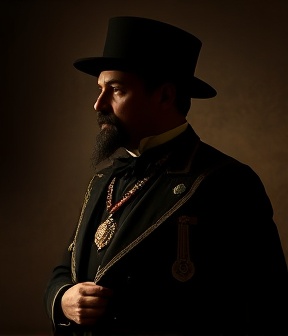
Philanthropic Leaders
Edward H. Ames and other philanthropic Odd Fellows established orphanages, elderly homes, and hospitals serving thousands of vulnerable people throughout the 19th and 20th centuries.
Examples: Edward H. Ames, William H. Rhett, Lewis Merritt
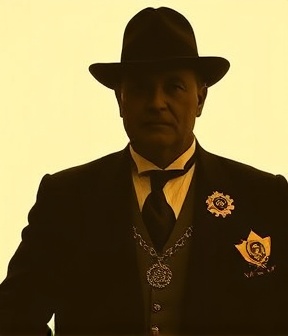
Civic Leaders
Timothy Mason Campbell and other Odd Fellow politicians used their positions in government to advocate for progressive social welfare policies and charitable programs that improved community wellbeing.
Examples: Timothy Mason Campbell, Jesse G. Hubbard, General Solomon Meredith
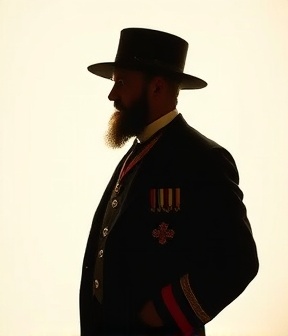
Business Pioneers
Successful Odd Fellow entrepreneurs created innovative financial structures for charitable work, establishing mutual insurance systems and pioneering cooperative organizations that later influenced modern welfare practices.
Examples: Lewis Merritt, Early Manchester Unity founders, 19th-century mutual aid organizers
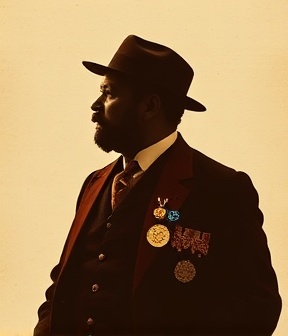
Reform Advocates
Dr. James Freeman Clarke and other Odd Fellow reformers championed education reform, labor rights, abolition, and women's suffrage, using the fraternity's principles to guide progressive social change.
Examples: Dr. James Freeman Clarke, Charles Hopkins, Margaret E. Root
Contributions of Famous Odd Fellows
■ Orphanages and Children's Homes
Prominent Odd Fellows established and funded numerous children's homes and orphanages, providing refuge, education, and care for parentless children. These institutions became models for modern child welfare services.
■ Healthcare and Hospitals
Many Odd Fellows hospitals and health clinics were established to provide medical care to the poor and working classes. These institutions pioneered many modern healthcare practices and trained numerous healthcare professionals.
■ Widows' and Elderly Care
Odd Fellows homes for widows, widowers, and elderly members became safe havens providing housing, food, healthcare, and companionship for those facing destitution or isolation in their final years.
■ Educational Institutions
Odd Fellows established schools, academies, and scholarship programs to provide education to poor children and deserving youth. Many of these institutions continue operating today as respected educational providers.
■ Disaster Relief Programs
During major disasters including floods, earthquakes, and fires, Odd Fellows marshaled resources to provide emergency relief, shelter, and rebuilding assistance to affected communities.
■ Social Reform Movements
Odd Fellows leaders were active participants in movements for labor rights, temperance, women's suffrage, civil rights, and other progressive causes that transformed society.
The Three Great Principles
Friendship, Love, and Truth form the ethical foundation of the Odd Fellows, guiding all aspects of member conduct and fraternal practice.
For nearly three centuries, these three principles have served as the moral compass of the Independent Order of Odd Fellows, transcending cultural boundaries, historical periods, and changing social contexts. These principles are not merely abstract philosophical concepts but living guides that inspire members to lead ethical, compassionate, and meaningful lives. Every obligation taken, every ritual performed, and every charitable work undertaken by Odd Fellows flows from these foundational values. Members are taught that Friendship creates the bonds that unite individuals into a community of mutual support and care. Love transforms those bonds into concrete acts of compassion and charitable work that alleviate human suffering. And Truth ensures that all actions are guided by integrity, honesty, and unwavering ethical principles. Together, these three principles create a comprehensive system for personal development and social contribution that has proven as relevant and transformative in the modern era as they were in the organization's earliest days.

Friendship
The first principle emphasizes genuine brotherhood and camaraderie among members. Friendship transcends social class, wealth, and background, creating bonds of mutual respect and support. Odd Fellows view friendship as essential to personal wellbeing and community cohesion, viewing strangers as potential brothers.
Love
Love represents compassion, charity, and benevolence toward all people. The Odd Fellows practice charity through relief of the sick, care for the needy, and support for members and communities in distress. Love encompasses both emotional caring and concrete material assistance.
Truth
Truth emphasizes honesty, integrity, and moral uprightness in all dealings. Odd Fellows commit to truthful conduct, fair dealing, and adherence to ethical principles. This principle reinforces the importance of character development and personal responsibility to oneself and others.
Complementary Values
Mutual Aid
Members support each other through sickness, hardship, and loss. This principle of reciprocal assistance has made Odd Fellowship a refuge for those seeking practical help during difficult times.
Self-Improvement
Odd Fellowship promotes personal development through education, moral reflection, and intellectual growth. Members are encouraged to improve themselves for the benefit of their communities.
Community Service
Beyond member support, Odd Fellows are committed to serving their communities through charitable programs, disaster relief, and initiatives addressing local needs and social issues.
Structure & Membership
Organizational Structure
The Odd Fellows are organized hierarchically with multiple levels, each serving specific functions while maintaining connection to the broader fraternity.
Lodges
The local lodge is the foundation and heart of Odd Fellowship, serving as the primary gathering place where members come together for regular meetings, ritual work, and social fellowship. Each lodge operates with a significant degree of autonomy, managing its own affairs and adapting to local community needs while adhering to universal Odd Fellows principles. Lodges are typically democratic organizations where members elect officers who serve one-year terms and are responsible for lodge governance.
Most lodges meet monthly, hosting business meetings, degree conferrals, educational programs, and social events. Lodges vary widely in size and activity level, from intimate groups of 20-30 members to large organizations with several hundred. Each lodge has a distinct character and culture, reflecting its membership and community context, while all share core Odd Fellowship values of Friendship, Love, and Truth.
Leadership Structure: Each lodge elects a slate of officers including the Exalted Ruler (lodge president), Vice Grand, Recording Secretary, Financial Secretary, Treasurer, and other specialized positions such as the Chaplain (spiritual leader), Guide (ceremonial leader), and various degree officers. These officers are elected annually and serve volunteers without compensation, ensuring that leadership remains accountable to the membership.
Communication and Accountability: Lodges maintain detailed records of all meetings, minutes, financial transactions, and member communications. Each lodge is required to provide regular reports to the Grand Lodge documenting membership numbers, charitable activities, and financial health. This transparent communication ensures accountability while maintaining the lodge's operational autonomy.
Member Benefits and Privileges: Members enjoy access to lodge facilities, participation in social events, educational programs, leadership opportunities, mutual aid assistance in times of distress, and a sense of belonging to a historic community dedicated to charitable work. Members also benefit from networking opportunities, mentorship relationships, and the personal growth that comes from participating in meaningful fraternal work and community service.
Grand Lodges
Grand Lodges serve as the regional governing bodies of Odd Fellowship, overseeing multiple subordinate (local) lodges within their jurisdictions, which are typically states, provinces, or sometimes larger territories. They function as the administrative and legislative authorities that coordinate activities across their region and ensure consistency in Odd Fellowship practice and principles.
Grand Lodges establish and maintain standards for ritual work, member conduct, and charitable initiatives. They host annual Grand Lodge sessions where delegates from member lodges gather to conduct business, elect grand lodge officers, establish policies, and discuss fraternal matters. Grand Lodges also manage member disputes, maintain lodge charters, and coordinate major regional charitable projects and educational programs.
Regional Leadership and Committees: Each Grand Lodge elects its own officers including the Grand Exalted Ruler, Deputy Grand Exalted Ruler, and supporting officers. Grand Lodges establish standing committees focused on specific functions—Ritual Committee (ensuring quality degree work), Finance Committee (managing regional finances), Charitable Committee (coordinating community initiatives), and other specialized committees addressing membership development, education, and fraternal relations.
Annual Sessions and Legislative Authority: The Grand Lodge holds annual sessions that serve as the primary legislative body for the region. During these sessions, representatives from subordinate lodges discuss constitutional amendments, establish regional policies, hear reports on member relief cases, and coordinate charitable activities. Grand Lodge sessions also provide networking opportunities for members from different lodges and educational programming on fraternal matters.
Oversight and Member Support: Grand Lodges provide support to struggling lodges, offer ritual instruction and training to ensure consistency of degree work across the region, adjudicate disputes between members or lodges, and maintain the highest standards of Odd Fellowship practice. They also serve as the liaison between local lodges and the Sovereign Grand Lodge, communicating important organizational news and gathering input from regional membership on matters affecting the entire fraternity.
Sovereign Grand Lodge
The Sovereign Grand Lodge is the supreme governing body of the International Order of Odd Fellows, providing overarching leadership and maintaining the unity of the worldwide fraternity. It serves as the final authority on matters affecting the entire organization and coordinates activities across all jurisdictions globally.
Meeting biennially (every two years), the Sovereign Grand Lodge brings together representatives from grand lodges worldwide. It establishes constitutional amendments, sets universal standards, arbitrates disputes between grand lodges, promotes charitable initiatives on an international scale, and preserves the historical legacy of Odd Fellowship. The Sovereign Grand Lodge ensures that despite local variations, Odd Fellowship maintains its core identity and shared principles across all nations and cultures.
Constitutional Authority and International Governance: The Sovereign Grand Lodge possesses ultimate constitutional authority over all Odd Fellowship bodies worldwide. It establishes and amends the Universal Constitution that binds all lodges and grand lodges, ensuring that fundamental principles are preserved while allowing for regional adaptation. The Sovereign Grand Lodge serves as the supreme appellate body for disputes that cannot be resolved at the grand lodge level.
Biennial Sessions and Strategic Planning: The Sovereign Grand Lodge sessions are major international gatherings that occur every two years, rotating among different regions and nations. These sessions bring together thousands of delegates, observers, and guests from hundreds of lodges across multiple countries. The sessions include ceremonial openings, constitutional debates, election of international officers, presentations on fraternal best practices, and large-scale charitable initiative announcements.
Global Coordination and Mission: The Sovereign Grand Lodge coordinates international charitable projects such as disaster relief efforts, humanitarian aid initiatives, and global educational programs. It maintains connections with Odd Fellows organizations in dozens of countries and multiple continents, serving as the organizational hub that unites diverse cultural expressions of Odd Fellowship under common principles.
Standards and Oversight: The Sovereign Grand Lodge maintains strict standards for ritual work, ensures financial accountability across all levels, recognizes outstanding service and achievement, and addresses systemic issues affecting the fraternity. It also preserves Odd Fellowship historical records, maintains archives, and documents the fraternity's evolution, ensuring that the lessons and achievements of past generations inform current and future operations.
Auxiliary Orders
Auxiliary Orders are affiliated organizations that extend Odd Fellowship principles and fellowship opportunities to members of the community who may not be eligible for membership in the main Odd Fellows lodges, as well as providing specialized experiences for current members. These organizations maintain Odd Fellowship's core values while serving distinct demographic groups or focusing on particular aspects of the fraternity's mission.
The most prominent auxiliary order is the Rebekah Degree, which provides women with Odd Fellowship affiliation and enables them to confer degree work and participate fully in the fraternity's ritualistic and charitable traditions. Other youth-focused auxiliary orders, such as Odd Fellows Youth and International Order of Job's Daughters, introduce young people to Odd Fellowship principles, developing future leaders and instilling values of friendship, love, and truth from an early age.
Rebekah Degree and Women's Leadership: The Rebekah Degree serves as a parallel organization to the main Odd Fellows lodges, with Rebekah lodges operating their own governance structures, conferring their own degrees, and conducting independent charitable initiatives. Rebekah members work in close partnership with Odd Fellows lodges, often combining efforts for community service and social events. Many jurisdictions now allow for mixed-gender Odd Fellows and Rebekah co-operations, strengthening the fraternity's reach and effectiveness.
Youth Development Programs: Odd Fellows Youth lodges, Job's Daughters, and other youth-focused organizations provide structured pathways for young people to learn Odd Fellowship principles in age-appropriate settings. These programs include leadership training, community service projects, social development activities, and opportunities to advance through youth-specific degrees. Young members who reach majority age often transition seamlessly into full adult membership, bringing their enthusiasm and fresh perspectives to the broader organization.
These auxiliary organizations operate with the same democratic principles and commitment to charitable work as the main lodges, ensuring that Odd Fellowship's influence extends across generations and demographics while maintaining institutional cohesion. Auxiliary orders maintain their own governance structures, finances, and decision-making authority while coordinating with the broader Odd Fellowship network through established inter-organizational protocols and joint charitable initiatives.
Encampment
The Encampment represents an advanced degree organization within Odd Fellowship that focuses on military-style order, patriotic ideals, and structured leadership development. Encampments confer additional degrees beyond the primary three and emphasize ceremonial excellence, organizational discipline, and the values of honor and duty. Members of Encampments demonstrate their commitment to the fraternity through advanced educational programs and leadership roles.
Leadership and Organizational Structure: Each Encampment is led by a Chief Patriarch (the highest officer), along with supporting officers including the High Priest, Senior Patriarch, and other ceremonial positions. Encampments operate within the structure of their jurisdiction's Grand Lodge but maintain their own governance, ceremonies, and advancement requirements. Members who wish to join an Encampment must first attain the Third Degree (Master level) in a regular Odd Fellows lodge, ensuring a foundation of fraternal knowledge and commitment.
Ceremonial Excellence and Military Traditions: Encampments are renowned for elaborate, precise ceremonies featuring military-style formations, symbolic regalia, and pageantry that emphasizes visual impact and organizational excellence. Encampments organize ceremonial demonstrations at state, provincial, and international Odd Fellows gatherings, preserving and advancing the traditions of ceremonial Odd Fellowship work. Members often participate in parades, public demonstrations, and special events that showcase the fraternity's heritage and continue traditions dating back to the 19th century.
Patriarch Militant
The Patriarch Militant is a military order within Odd Fellowship that emphasizes martial virtues, ceremonial pageantry, and structured ritual work. This organization serves members who wish to explore the military and protective aspects of Odd Fellowship tradition. The Patriarch Militant combines the principles of Friendship, Love, and Truth with an emphasis on order, precision, and coordinated action, providing opportunities for members to engage in ceremonial performances and community defense principles.
Military Organization and Ranks: The Patriarch Militant features a highly structured military hierarchy with ranks including Commander (highest officer), Lieutenant Commander, Captain, and other specialized positions. Members progress through military-style ranks and qualifications, earning insignia and recognition for advancement and demonstrated excellence. This structured ranking system provides clear pathways for achievement and recognition, motivating members to develop leadership and ceremonial skills.
Patriarch Militant Degree Structure: The Patriarch Militant operates with its own degree system, with the Patriarch Militant Degree serving as the culminating and highest degree within this military order. This degree emphasizes military virtues, ceremonial precision, and protective service. Members who achieve the Patriarch Militant Degree represent the pinnacle of military order development, embodying martial discipline, strategic leadership, and the responsibility to preserve and advance Odd Fellowship traditions through ceremonial excellence and organizational strength. The degree teaches that true leadership comes from mastering oneself first, then guiding others through example and moral authority.
Ceremonial Excellence and Public Representation: The Patriarch Militant is famous for its drill teams, ceremonial units, and precision marching formations that are displayed at Odd Fellowship events, community parades, and historical commemorations. Members wear distinctive military-style uniforms and practice coordinated movements that demonstrate unity, discipline, and fraternal solidarity. The Patriarch Militant serves as the public face of Odd Fellowship at many events, helping to preserve the organization's historical traditions while engaging the broader community in spectacular ceremonial demonstrations.
Degrees of Odd Fellowship
The Odd Fellowship system consists of four degrees of initiation, each representing a fundamental principle and stage of development within the fraternity. The Initiatory Degree serves as an introduction, followed by the three main degrees representing Friendship, Love, and Truth. These degrees are progressive, building upon each other to create a comprehensive philosophical and moral journey toward full membership and moral development.
Initiatory Degree
Focus: The first step in a candidate's journey into Odd Fellowship, introducing them to the organization's fundamental history, purpose, and basic principles before progressing to the three main degrees. This degree serves as the gateway into the fraternity, establishing the candidate's commitment and preparing them for the transformative experiences ahead.
Core Teaching: Initiates are introduced to the three principles of Odd Fellowship—Friendship, Love, and Truth—and learn about the organization's charitable mission and mutual aid traditions. This degree emphasizes the candidate's commitment to the organization and preparation for deeper understanding in subsequent degrees. Candidates learn the foundational values, the history of Odd Fellowship from its origins to modern practice, and the obligations they undertake as members of this ancient fraternity.
Symbolic Meaning: The Initiatory Degree represents the threshold between the candidate's former life and their new life as a member of the Odd Fellowship fraternity. It symbolizes their introduction to light, knowledge, and the beginning of their fraternal transformation. The degree emphasizes the equality of all candidates regardless of their worldly status, as they all enter the lodge on the same level.
Ritual Experience: The Initiatory Degree ceremony is a meaningful ritual experience designed to impress upon candidates the serious nature of their commitment. The ceremony includes symbolic passages, moral instruction, and formal obligations that bind the candidate to the principles and values of Odd Fellowship.
Membership Stage: Candidates newly admitted to the lodge receive this degree first. It serves as a transition phase where they understand their obligations and prepare mentally and spiritually for the main three degrees that will follow. Initiates are now entitled to be called members and may attend lodge meetings, though they have limited voting rights until advancing to the First Degree.
First Degree - Friendship
Focus: The foundation of Odd Fellowship, emphasizing the bonds of sincere friendship and brotherhood among members. This degree establishes the emotional and social foundation upon which the entire fraternity is built.
Core Teaching: Initiates learn that genuine friendship transcends social status, economic differences, and personal circumstances. The first degree teaches that true brotherhood is built on mutual respect, trust, and willingness to support one another. Members learn that friendship means active engagement with brother members, genuine interest in their welfare, and commitment to their well-being. This degree emphasizes that Odd Fellowship friendship is not casual or superficial, but rather a deep commitment to another's welfare and happiness.
Symbolic Meaning: Friendship represents the beginning of enlightenment—the recognition that we share common humanity and are stronger together than apart. The three links symbol is introduced in this degree, with the first link representing the bond of friendship that unites all members.
Practical Applications: Members in the First Degree learn how friendship manifests in concrete ways within the lodge—through social gatherings, mutual support during personal challenges, shared meals, and genuine interest in the lives of fellow members. The degree teaches that friendship requires time, attention, and genuine commitment.
Membership Stage: Following the Initiatory Degree, candidates who have prepared themselves progress to the First Degree. This marks their formal entry into the core teachings of Odd Fellowship and the beginning of the three-degree journey. Members now participate more fully in lodge activities and begin to understand the deeper philosophical implications of brotherhood.
Second Degree - Love
Focus: Building upon friendship, the second degree explores love expressed through active charity, compassion, and benevolence toward others. This degree transforms the internal bonds of friendship into external expressions of care and service.
Core Teaching: Members progress to understand that love in Odd Fellowship means practical action—visiting the sick, relieving the distressed, and actively working to improve the conditions of those in need. This degree emphasizes that love without action is incomplete. Members learn that Odd Fellowship's charitable mission is not merely a duty but flows naturally from genuine love and compassion. The degree teaches that every member bears responsibility for the welfare of brother members and the broader community.
Charitable Emphasis: The Second Degree extensively addresses the charitable works of Odd Fellowship, including relief of members in distress, support for widow and orphan relief, care of the sick, and community charitable initiatives. Members learn both the spiritual motivation for charitable work and practical methods for implementing relief programs.
Symbolic Meaning: Love represents compassion in action—the manifestation of caring for others through charitable work and mutual aid. It acknowledges our responsibility to the broader community. The second link of the three-link symbol is introduced, representing the love that binds the fraternity together in charitable service.
Membership Stage: Members who have demonstrated commitment and understanding progress to the Second Degree level, often receiving the title of Brother or Sister depending on the lodge. Members now take on greater roles in lodge governance, relief committees, and charitable initiatives, becoming active participants in the charitable mission of Odd Fellowship.
Third Degree - Truth
Focus: The culminating degree emphasizes truth, integrity, and the moral and ethical principles that should guide all conduct. This degree represents the highest achievement in the foundational degree system and the beginning of full mastery of Odd Fellowship principles.
Core Teaching: The third degree teaches that truth—in speech, conduct, and dealings with others—is the foundation of honorable character. Members learn that integrity means living by principle even when difficult, maintaining honesty in personal and professional affairs, and upholding the moral standards that make society function. This degree explores truth in multiple dimensions: truthfulness in word, honesty in action, integrity in dealings with others, and adherence to moral principles that transcend personal convenience or profit.
Moral Development: The Third Degree extensively addresses moral philosophy and ethical development. Members learn that true mastery comes from integrating the principles of friendship and love with an unwavering commitment to truth. The degree teaches that members must strive to become exemplars of integrity, serving as moral leaders both within the fraternity and in the broader community.
Symbolic Meaning: Truth represents the highest moral development—the integration of friendship and love with unwavering ethical principles. It is the completion of the foundational journey and represents the fully developed Odd Fellow. The third link of the three-link symbol is introduced, completing the symbol of Friendship, Love, and Truth united and unbroken.
Membership Stage: Members elevated to the Third Degree become full Master Masons/Full Members with complete voting rights and eligibility for lodge offices. They become mentors to newer members and leaders in the fraternity's charitable and community work. Third Degree members form the nucleus of lodge leadership and may petition for advancement to higher degrees and orders such as the Encampment or Patriarch Militant if they wish to continue their fraternal development.
Degree Progression: Candidates typically advance through the first three degrees over several months, with each degree requiring study, reflection, and demonstrated commitment. The progression allows members to fully internalize the teachings of each degree before advancing to the next level.
Encampment Degrees
The Encampment Degrees represent an advanced tier of Odd Fellowship, building upon the foundation of the first three degrees. These degrees emphasize moral development, brotherhood, and the practical application of Odd Fellowship principles in daily life. Members who have achieved the rank of Master (Third Degree) may petition for admission to the Encampment, opening pathways to higher degrees that explore additional dimensions of Odd Fellowship philosophy and practice.
Patriarchal Degree
Focus: The first degree of the Encampment system, emphasizing the foundations of honorable character and ethical conduct.
Core Teaching: This degree teaches the lessons of transparent honesty, domestic purity, genuine hospitality, and unfeigned righteousness. Members learn that authentic virtue comes from living according to principle, maintaining integrity in personal and family life, and offering warm fellowship to others. The Patriarchal Degree emphasizes that a man's character is built on honesty in word and deed, purity in personal conduct, and righteousness in all dealings.
Membership Stage: Members begin their Encampment journey with the Patriarchal Degree, establishing the ethical foundation upon which the remaining degrees are built.
Golden Rule Degree
Focus: Advancing members explore universal principles of brotherhood and cooperation, transcending divisions.
Core Teaching: The Golden Rule Degree teaches good will, tolerance, and true brotherhood among all people. This degree emphasizes that members should unite with the virtuous and good irrespective of country, religion, or politics in the discharge of duties which all agree are paramount to universal peace and cooperation. Members learn that genuine brotherhood means recognizing common humanity and working together for the benefit of society, setting aside differences of background and belief.
Membership Stage: Members who have mastered the Patriarchal Degree progress to the Golden Rule Degree, demonstrating their commitment to brotherhood beyond personal circles and their dedication to universal peace.
Royal Purple Degree
Focus: The third degree of the Encampment system, cultivating the qualities essential for achievement and success.
Core Teaching: The Royal Purple Degree teaches alertness and determination as the basis for possible success in the journey called life. Members learn that achievement comes not from chance but from active engagement with the world, keen awareness of opportunity, and unwavering determination to accomplish worthy goals. This degree emphasizes that the virtues learned in the Patriarchal and Golden Rule Degrees must be actively applied through vigilance and purposeful action to create meaningful accomplishment.
Membership Stage: Members who have mastered the Golden Rule Degree progress to the Royal Purple Degree, demonstrating their readiness to apply their spiritual and moral development to the achievement of worthy goals in their lives and communities.
Encampment Progression: The three Encampment degrees typically require significant commitment and demonstrable growth. Members advance through these degrees as they deepen their understanding of moral development, expand their capacity for fellowship, and demonstrate increasing determination in their life's work. The Encampment system ensures that only the most developed members progress to the highest Royal Purple Degree.
Patriarch Militant Degree
The Patriarch Militant Degree is an advanced and prestigious degree within Odd Fellowship, representing the pinnacle of military virtue, ceremonial excellence, and protective service. This degree stands as a distinct achievement for members who have demonstrated exceptional commitment and wish to pursue the highest levels of martial and ceremonial leadership.
Focus: An advanced degree representing the pinnacle of military virtue, ceremonial excellence, and protective service within Odd Fellowship.
Core Teaching: The Patriarch Militant Degree combines all previous teachings of Friendship, Love, and Truth with an emphasis on military virtues, ceremonial precision, and protective service. Members at this level embody martial discipline, strategic leadership, and the responsibility to preserve and advance Odd Fellowship traditions through ceremonial excellence and organizational strength. This degree teaches that true leadership comes from mastering oneself first, then guiding others through example and moral authority.
Symbolic Meaning: The Patriarch Militant Degree represents the integration of all lower degrees with martial virtue and ceremonial leadership, symbolizing the highest development of the Odd Fellow who combines moral integrity with protective service and organizational excellence.
Membership Stage: Members who have advanced through the three main degrees and demonstrated exceptional commitment may progress to the Patriarch Militant Degree, becoming leaders in ceremonial work, commanders of military units, and exemplars of the complete Odd Fellow dedicated to the highest standards of the organization.
Membership Requirements
- ✓ Legal age of majority (18+ in most jurisdictions)
- ✓ Good moral character and reputation
- ✓ Genuine interest in the principles of Odd Fellowship
- ✓ Willingness to participate in charitable work
- ✓ Ability to pay initiation fees and annual dues
Charitable Missions & Community Service
Member Relief
Providing financial assistance, medical care, and emotional support to members and their families facing sickness, disability, or financial hardship. This mutual aid remains a cornerstone of Odd Fellowship.
Community Programs
Supporting local charities, youth organizations, disaster relief efforts, and initiatives addressing hunger, homelessness, and other community challenges in partnership with other organizations.
Youth Development
Through youth lodges, scholarships, and mentorship programs, Odd Fellows invest in the next generation, teaching values of friendship, love, and truth to young people.
Impact Highlights
Historical Contributions
- • Founded and maintained Odd Fellows homes for elderly and orphaned children
- • Operated hospitals and healthcare facilities in 19th and early 20th centuries
- • Provided critical financial safety net before modern government welfare systems
- • Pioneered mutual insurance and cooperative financial practices
Contemporary Work
- • Supporting food banks and hunger relief organizations
- • Funding educational scholarships and youth programs
- • Partnering with disaster relief agencies during emergencies
- • Supporting health research and medical care initiatives
Symbols & Emblems
Odd Fellows symbols carry deep meaning, representing the principles of friendship, love, truth, and mutual aid that guide the organization.
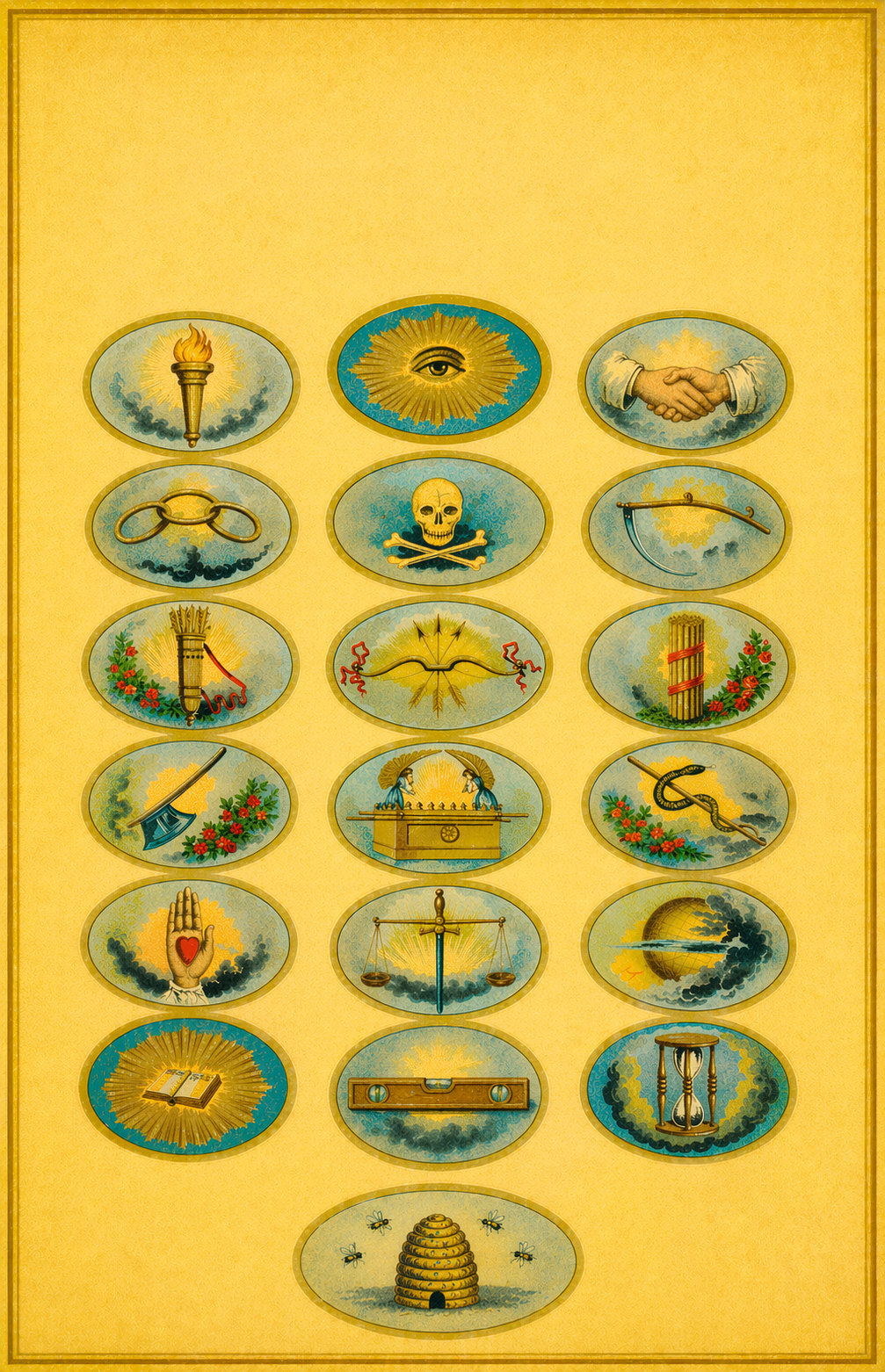
Primary Symbols
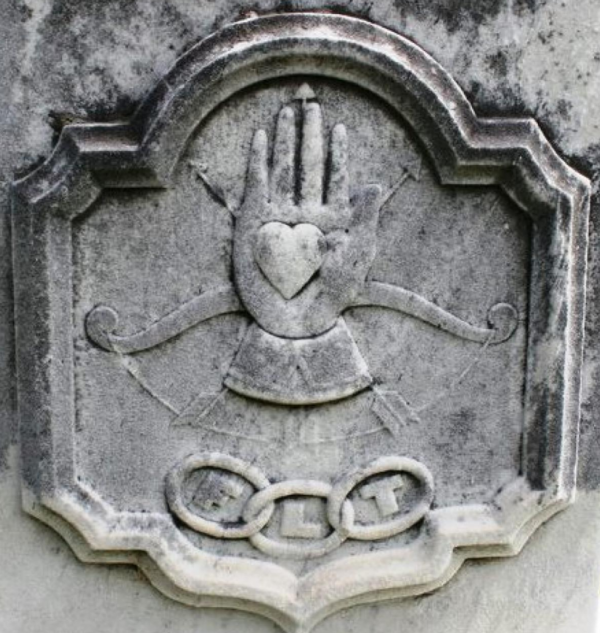
Three Links
The most recognizable Odd Fellows symbol representing Friendship, Love, and Truth linked together. The three links are unbroken, symbolizing the inseparable connection of these principles.
The Heart with Hand
Represents charity and benevolence, showing a hand offering aid to those in need. This symbol emphasizes the loving charitable work central to Odd Fellowship.
The Beehive
Symbolizes industry, cooperation, and community work. The beehive represents how members work together in harmony for mutual benefit, much like bees in a hive.
Additional Emblems
The All-Seeing Eye
Represents divine watchfulness and the moral oversight of Odd Fellows principles. It reminds members to conduct themselves with integrity in all situations.
The Skull & Crossbones
A reminder of human mortality and the transient nature of earthly life. This symbol encourages members to make meaningful contributions while they can and value their time with others.
The Scythe
Symbolizes the reaping of what has been sown. It represents the natural consequences of one's actions and the importance of living a life worthy of respect.
The Level
Represents equality among all members regardless of their social status, wealth, or background. The level symbolizes that all Odd Fellows stand on equal ground in the lodge, united in their commitment to fraternal principles.
The Hourglass
Symbolizes the passage of time and the importance of making the most of life's opportunities. It reminds members to value each moment and use their time wisely in service to others and the fraternity.
The Clasped Hands
Represents friendship, fellowship, and mutual support among members. This symbol emphasizes the bonds of brotherhood and the commitment members make to support one another through all circumstances.
The Book of Knowledge
Represents wisdom, education, and moral instruction. This emblem symbolizes Odd Fellowship's commitment to the moral and intellectual development of its members through study and reflection.
The Anchor
Symbolizes hope, stability, and steadfastness in faith and principles. The anchor represents the member's grounding in Odd Fellowship values, providing stability and security amidst life's challenges.
The Torch
Represents enlightenment, knowledge, and the light of truth. The torch symbolizes the guiding light that Odd Fellowship provides to members, illuminating the path of moral development and fraternal service.
Odd Fellowship in the Modern World
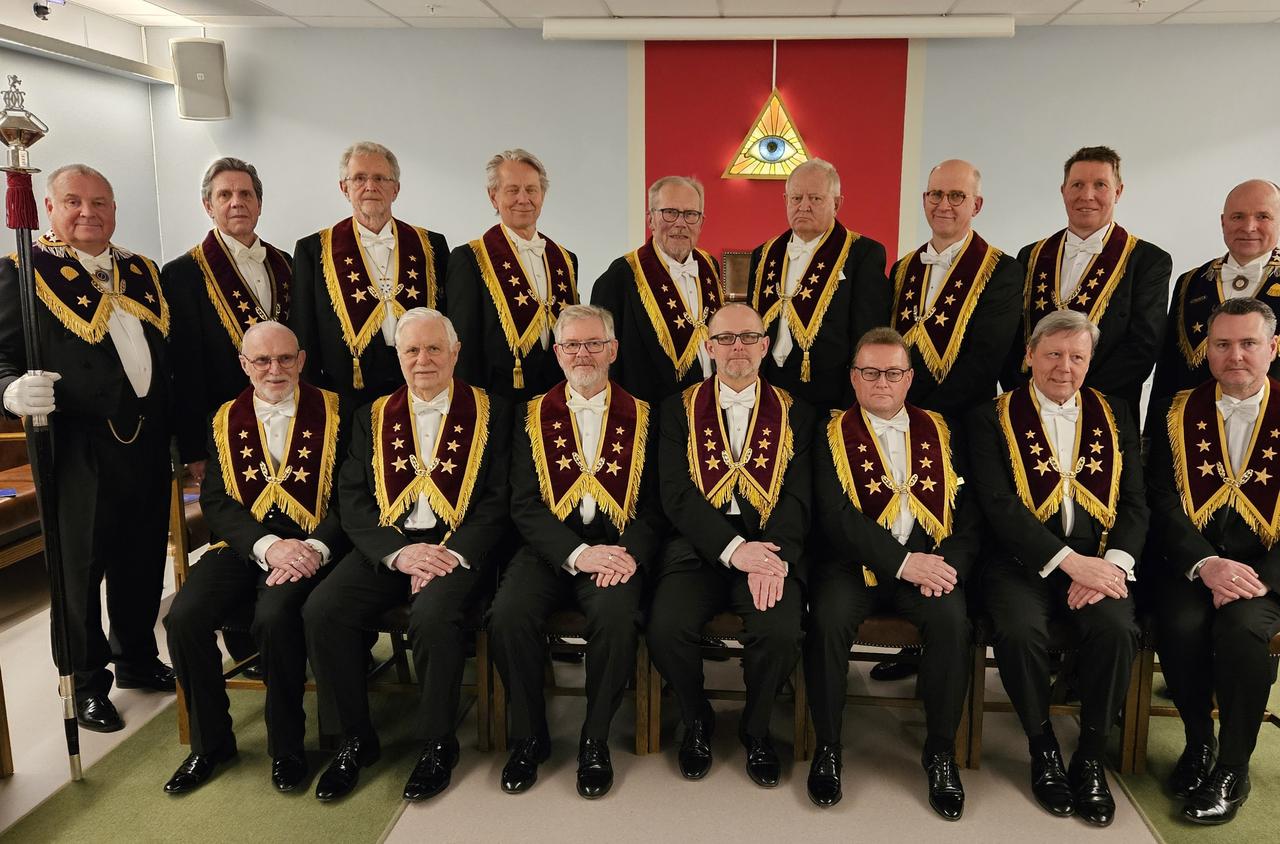
Contemporary Practice
Rooted in centuries-old tradition, modern Odd Fellowship balances preservation of ritual and practice with contemporary community engagement and digital innovation.
Ritual Preservation
Maintaining the three degrees and ritual practices that have remained largely unchanged for centuries, preserving the emotional and spiritual power of initiation.
Social Connection
Providing meaningful brotherhood and community in an increasingly isolated world. Lodges serve as vital social centers for members seeking genuine human connection.
Charitable Innovation
Adapting charitable work to contemporary needs while maintaining the commitment to mutual aid and community support that defines Odd Fellowship.
Diversity & Inclusion
Many modern lodges embrace inclusive practices, welcoming members of all backgrounds while maintaining the fraternal traditions that define Odd Fellowship identity.
Why Odd Fellowship Endures
Brotherhood & Belonging
Meaningful community that provides genuine connection in an increasingly disconnected world. Members find lifelong friends and supportive brothers.
Moral Development
A framework for ethical living and self-improvement appeals to those seeking guidance and meaning beyond material concerns.
Charitable Impact
The opportunity to make tangible differences in members' lives and communities through meaningful charitable work and mutual support.
Timeless Principles
Friendship, love, and truth are universal values that remain relevant regardless of era, appealing to new generations seeking genuine fellowship.
Educational Initiatives & Programs
The Odd Fellows remain committed to advancing knowledge, developing leadership, and fostering lifelong learning through innovative educational programs and community partnerships.
Odd Fellows Scholarship Program
Supporting the next generation through comprehensive scholarship initiatives. The Odd Fellows distribute thousands of dollars annually to deserving students pursuing higher education. Scholarships are awarded based on merit, financial need, and community involvement, reflecting the organization's commitment to education as a pathway to personal and societal improvement.
Fraternal Leadership Academy
A comprehensive training program designed to develop effective lodge leaders and organizational managers. The Academy offers workshops, seminars, and certification courses covering fraternal governance, effective communication, charitable program management, and contemporary leadership strategies to ensure lodges remain vibrant and impactful.
Community Education & Outreach Initiative
Bringing Odd Fellowship values and knowledge to wider communities through public lectures, educational workshops, and youth engagement programs. This initiative helps individuals understand fraternal principles, community service, and the organization's historical significance while building bridges between lodges and their surrounding communities.
Comments & Discussion
Have thoughts or questions about this topic? Share your feedback below. All comments are moderated to maintain a respectful community.