Shriners International
Distinctive Fraternal Organization Dedicated to Medical Philanthropy and Humanitarian Service
Exploring one of Freemasonry's most distinctive and philanthropic organizations.
Discover the remarkable history of Shriners International, from its founding as a fraternal organization within Freemasonry to its evolution as one of the world's most recognized charitable organizations. Learn about the red fez, the distinctive symbolism, and the organization's remarkable commitment to humanitarian service and medical philanthropy.
Start Learning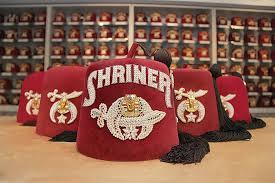
Watch: Shriners History and Impact
Learn more about the Shriners' remarkable history and their commitment to charitable work through this informative video.
History of the Shriners
The Shriners represent a unique and distinctive chapter in the history of Freemasonry, combining ceremonial tradition with substantial charitable contributions that have transformed the lives of millions of children and families worldwide.
The Foundation: A Fraternal Order Within Freemasonry
The Ancient Arabic Order Nobles of the Mystic Shrine (AAONMS), commonly known as the Shriners, was founded in 1872 in New York City by Walter M. Fleming and William J. Florence. Both men were prominent Masons who sought to create a more recreational and festive fraternal organization within the larger Masonic movement. Unlike the three traditional degrees of Freemasonry, which emphasize solemnity and deep philosophical instruction, the Shriners wanted to establish an organization that combined the traditions and values of Freemasonry with social enjoyment, colorful pageantry, and a focus on charitable works.
The organization drew inspiration from ancient Oriental traditions and created a unique identity incorporating the red fez, a distinctive hat borrowed from Middle Eastern tradition, as its most recognizable symbol. The Shriners adopted elaborate ceremonial practices, including distinctive titles for officers, colorful titles such as "Potentate" for the leader of a Shrine temple, and a structure that mirrored aspects of Middle Eastern culture while remaining firmly rooted in Masonic tradition. This unique combination of ceremonialism, social fellowship, and charitable focus quickly attracted Masonic members seeking a different kind of fraternal experience.
From its inception, the Shriners distinguished themselves through a commitment to charitable works, particularly focusing on helping children in need. This philanthropic dimension became increasingly central to the organization's identity and purpose, eventually overshadowing even the fraternal and ceremonial aspects in terms of public recognition and impact.
The Evolution of Shriners International: A Detailed Historical Overview
The Formative Years (1872-1900): Building a Unique Fraternal Identity
The early years of the Shriners witnessed rapid growth and the establishment of a distinctive organizational culture. The founders' vision of combining Masonic tradition with social fellowship and charitable work resonated with many Masons. The first Shrine temple was established in New York, followed by rapid expansion to other cities. Each Shrine temple developed its own local identity while adhering to the broader organizational structure and principles established at the national level.
The pageantry and ceremonialism of the Shriners became legendary. Circus-themed parades, ornate costumes, elaborate ritual work, and festive gatherings created a distinct organizational culture that attracted social-minded Masons while maintaining connection to Masonic principles. The red fez became an iconic symbol instantly recognizable to the public, distinguishing Shriners from other fraternal organizations. The organization also pioneered the use of decorative regalia, vehicle parades, and public ceremonialism as fundraising and awareness-building tools.
During this formative period, the charitable dimension of the Shriners began to develop. Early contributions supported orphanages, hospitals, and other charitable causes. However, the organization had not yet identified its primary philanthropic focus. By the turn of the 20th century, the Shriners had established over 150 temples across North America, establishing itself as a significant fraternal force within Freemasonry.
The Rise of Philanthropic Mission (1900-1950): Creating Lasting Impact
The early twentieth century marked a crucial turning point in Shriners history when the organization increasingly focused its philanthropic energies on a specific population: children with severe burns and orthopedic disabilities. This focus emerged from a combination of factors, including the growth of industrial accidents creating large numbers of severely burned and disabled children, and the recognition among Shriners leadership that the organization could make a transformative difference in these children's lives.
In 1922, the Shriners decided to establish their first Shrine Hospital for Children, specifically dedicated to treating children with severe burns and orthopedic conditions. This decision represented a remarkable commitment of resources and represented a fundamental shift in the organization's identity. Rather than supporting a diverse array of charitable causes, the Shriners would concentrate their philanthropic efforts on a single population, creating specialized medical institutions that could provide world-class treatment to children regardless of their family's financial circumstances.
The first Shriner Hospitals operated on a revolutionary principle: all treatment would be provided free of charge, with the organization funding operations through member donations and fundraising activities. This represented an extraordinary commitment, particularly during the Great Depression when many organizations retrenched. Instead, the Shriners expanded their hospital network, establishing facilities across North America dedicated to serving the most seriously injured and disabled children. By mid-century, the Shriners had established over 20 hospitals serving hundreds of thousands of children.
Expansion and Innovation (1950-1980): Growing Medical Expertise
The post-World War II era witnessed continued expansion of Shrine hospitals and refinement of medical care. The organization invested in research, recruited top medical specialists, and continually upgraded facilities to provide the most advanced medical care available. Shriners hospitals became recognized as centers of excellence in burn treatment and orthopedic surgery, pioneering new therapeutic approaches and training medical professionals who would advance these fields nationally.
During this period, the Shriners demonstrated a commitment to medical innovation and advancing the field beyond their own hospitals. Shrine hospital physicians published groundbreaking research, contributed to the development of new burn treatments and surgical techniques, and trained medical professionals who would work in hospitals nationwide. The organization's research contributed significantly to reducing mortality and disability from severe burns, benefiting children far beyond those treated in Shrine hospitals.
The public image of the Shriners transformed significantly during this period. While the organization maintained its ceremonial traditions and recreational activities, the red fez became most strongly associated with childhood philanthropy and medical service rather than fraternal pageantry. The annual Shrine Circus, combining entertainment with fundraising for the hospitals, became a beloved American tradition and a major fundraising mechanism supporting the hospital network.
Modern Era and International Expansion (1980-Present): Global Reach and Continued Excellence
From the 1980s onward, the Shriners continued their expansion and refinement of services. The organization established specialized centers addressing specific conditions: orthopedic hospitals treating complex skeletal conditions, burn centers providing world-class treatment for severe thermal injuries, and specialized clinics providing reconstructive and follow-up care. The organization also expanded internationally, establishing medical facilities in Canada and developing relationships with international medical organizations.
The rise of modern medical technology and techniques created both opportunities and challenges for the Shriners. The organization invested in cutting-edge equipment, recruited specialists trained in the latest therapeutic approaches, and supported research advancing the understanding and treatment of severe injuries and congenital conditions. Simultaneously, the organization addressed evolving epidemiology, as advances in burn prevention and childhood safety reduced the incidence of severe burns while new medical challenges emerged.
Today, Shriners International operates a network of specialized hospitals across North America and maintains its commitment to providing world-class medical care to seriously injured and disabled children regardless of family income. The organization continues its fraternal traditions while being increasingly recognized primarily for its extraordinary philanthropic contributions. The organization has treated millions of children, with outcomes and success rates equal to or exceeding the best specialized centers anywhere in the world. The Shriners' commitment to providing free medical care and conducting research has made them one of the most admired charitable organizations in the world.
Organizational Structure and Values
Fraternal Tradition
The Shriners maintain distinctive fraternal traditions including ceremonial degrees, elaborate titles for leadership, and annual conferences featuring parades, circus performances, and festive celebrations. These traditions foster brotherhood, maintain connection to Masonic heritage, and serve as fundraising mechanisms supporting the hospitals. The red fez remains an iconic symbol instantly recognizable to millions worldwide.
Philanthropic Commitment
The Shriners' defining characteristic is their extraordinary commitment to providing world-class medical care to children with severe injuries and disabilities, regardless of family ability to pay. This commitment has resulted in the creation of a network of specialized hospitals, research centers, and clinics that serve as centers of medical excellence and innovation advancing the field beyond their own institutions.
Groups and Organizations Within Shriners
Shriners International encompasses multiple groups and organizations that serve different functions within the broader fraternal structure. These groups contribute to the organization's ceremonial activities, charitable missions, and social fellowship.
Shriners of North America
The primary fraternal organization consisting of Master Masons who have completed the Shrine initiation ceremony. Members participate in temple activities, charitable fundraising, ceremonial events, and governance of local Shrine temples throughout North America.
Daughters of the Nile
An auxiliary organization for female members of Shriners families. The Daughters of the Nile engage in extensive charitable work supporting Shrine hospitals and other humanitarian causes through fundraising activities and community service.
Shrine Motor Corps
Motorcycle enthusiasts who ride together to support Shrine events and fundraisers. The Motor Corps participates in parades, charitable rides, and community events while promoting the Shriners' mission to the public.
Shrine Clowns
Members who perform as clowns at Shrine circuses, parades, and community events. The Shrine Clowns bring entertainment and joy to children while raising awareness and funds for Shriners hospitals and charitable programs.
Mounted Patrol
Members who ride horses in ceremonial formations at Shrine events, parades, and celebrations. The Mounted Patrol provides a distinctive visual element to public Shrine events while raising funds for charitable missions.
Shrine Bands and Marching Units
Brass bands, pipe bands, and marching units that perform at Shrine events, circuses, and parades. These musical groups preserve traditional ceremonialism while entertaining audiences and supporting fundraising efforts.
Ladies Oriental Shrine of North America
An auxiliary organization providing women with opportunities for meaningful participation in Shrine activities and charitable work. Members support hospital fundraising and community service initiatives.
Frequently Asked Questions
Have questions about the Shriners? Here are answers to some of the most common inquiries.
Comments & Discussion
Have thoughts or questions about this topic? Share your feedback below. All comments are moderated to maintain a respectful community.