Grand Lodge of Georgia
The Grand Lodge of Georgia was one of the earliest southern Grand Lodges and represents Masonry's important role in the South.
Founded: 1786
Location: Atlanta, Georgia
Key Contribution: Southern Masonic Foundation
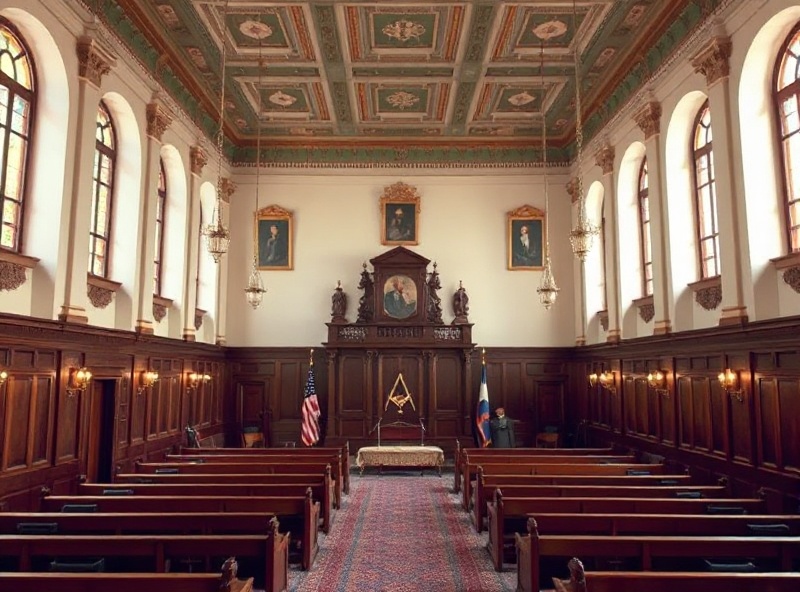
Deep History: A Journey Through Time
Explore the comprehensive history of the Grand Lodge of Georgia across four pivotal eras
Founding and Early Vision
Georgia Masonry has colonial roots extending to the 18th century, with the Grand Lodge formally chartered in 1786 during the founding era of the American nation. As one of the earliest southern Grand Lodges, Georgia Masonry attracted planters, merchants, professionals, and civic leaders who sought to advance enlightenment principles and establish moral frameworks in the developing South. Early Georgia Masonic lodges in Savannah and other communities served as intellectual centers and cultural institutions where the state's most influential men gathered to discuss philosophy, civic governance, and business ethics.
Growth and Expansion
Throughout the 19th century, Georgia Masonry grew substantially as the state developed economically and socially. New lodges were established throughout Georgia, from coastal regions to inland areas, serving diverse communities. Georgia Masons became deeply involved in establishing educational institutions, supporting charitable organizations, and participating in civic improvements. The fraternity became central to the social and cultural life of Georgia society. Scottish Rite and York Rite organizations expanded throughout Georgia, providing advanced Masonic education and fellowship.
Mid-Century Development
The 20th century brought significant challenges and changes to Georgia, including civil rights development and economic transformation. Georgia Masonry maintained its commitment to community service and education through periods of social change. Masonic lodges continued to support education, healthcare, youth development, and community initiatives. Georgia Masons participated in civic leadership and contributed to public institutions that advanced education and opportunity for Georgia citizens.
Modern Era and Legacy
Today, the Grand Lodge of Georgia represents nearly 240 years of continuous Masonic service to the state and stands as one of the largest and most influential Masonic jurisdictions in the South. With active lodges throughout Georgia, the Grand Lodge continues its mission of developing men of character and service. Modern Georgia Masons support Shriners Hospital for Children, fund educational programs and scholarships, provide disaster relief, and engage in extensive community service. The Grand Lodge preserves Georgia's distinguished Masonic heritage while remaining a vital force for positive change.
Historical Overview
Key milestones in the history of the Grand Lodge of Georgia
founding
The Grand Lodge of Georgia was chartered in 1786, making it one of the earliest southern Grand Lodges.
colonial
Georgia Masonry had roots in the colonial period.
development
Georgia Masons played important roles in the state's development and civic institutions.
modern
The Grand Lodge of Georgia remains one of the largest and most influential southern Masonic jurisdictions.
Masonic Rituals and Degrees
Understand the sacred rituals, degrees, and ceremonial traditions of the Grand Lodge of Georgia
three Degrees
Georgia follows the standard three Masonic degrees.
apprentice
Introduction to Masonic principles.
fellowcraft
Development of Masonic knowledge.
master Mason
Completion of basic Masonic education.
appendant
Access to Scottish Rite, York Rite, and other bodies.
The Three Basic Degrees
Entered Apprentice
The first degree introduces the candidate to Masonic light, principles, and the foundations of the fraternity's teachings.
Fellowcraft
The second degree develops the candidate's understanding of Masonic science, geometry, and intellectual foundations.
Master Mason
The third degree represents completion of basic Masonic education and preparation for service to the fraternity.
Charitable Work and Community Service
Georgia Masons support education, healthcare, disaster relief, and community service.