Beta Chi Theta
Founded 1963
West Texas State University
History
A national social fraternity emphasizing brotherhood, academic achievement, and community service with growing presence across campuses.
Founded
1963
Institution
West Texas State University
Deep History
Founding and Early Vision
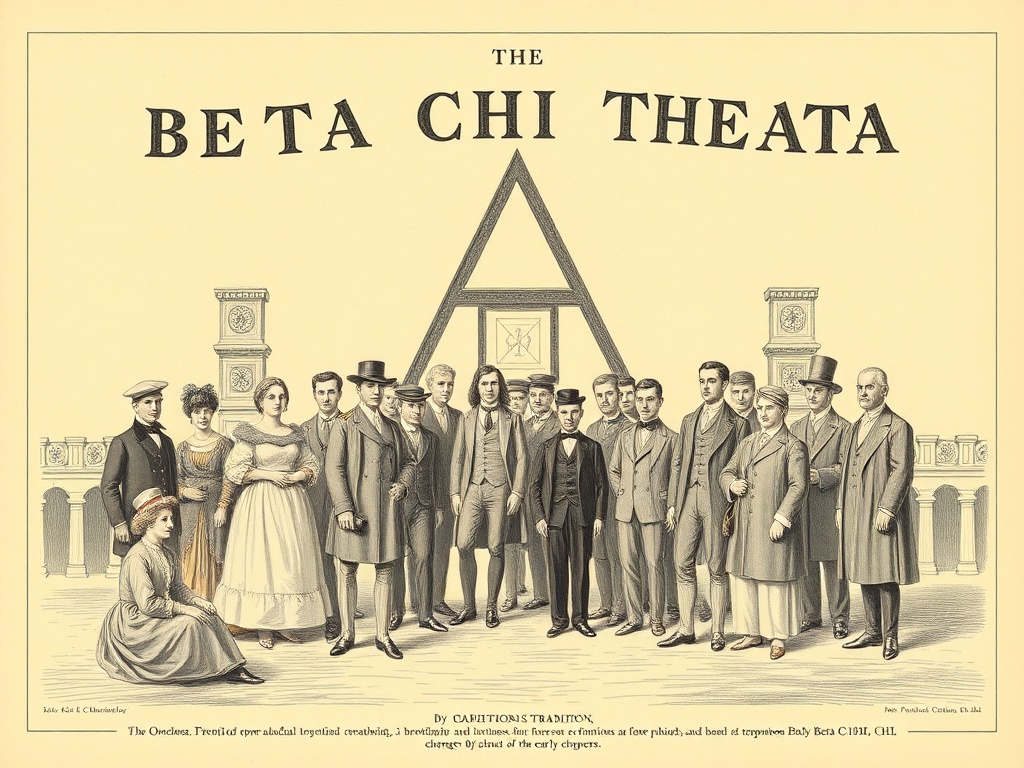
Beta Chi Theta was founded at West Texas State University in 1963, during a transformative decade for American higher education and society. The 1960s witnessed unprecedented expansion of universities, increased access to higher education for diverse populations, and growing emphasis on social responsibility. West Texas State University, serving a diverse student population, provided ideal environment for founding a fraternity dedicated to creating inclusive community grounded in brotherhood, academic excellence, and commitment to service.
Growth and Expansion

Beta Chi Theta emerged as a younger fraternity with the advantage of building on decades of fraternal tradition while creating its own distinctive identity. As a fraternity founded during the civil rights era, Beta Chi Theta has been notably inclusive in its membership and programming. The organization has welcomed men from diverse racial, ethnic, and socioeconomic backgrounds, recognizing that genuine brotherhood transcends differences. Beta Chi Theta has served as a model for how established traditions can be honored while creating genuinely welcoming communities.
Mid-Century Development

Beta Chi Theta has grown steadily from its West Texas foundation to establish chapters across the country. The fraternity's expansion reflects recognition that its model of inclusive brotherhood, serious academic support, and meaningful community service resonates with successive generations of college men. Chapter development workshops organized by the national organization ensure new chapters understand the fraternity's values while adapting to their specific campus contexts. Alumni have distinguished themselves across professional fields.
Modern Era and Legacy

In contemporary times, Beta Chi Theta continues to develop men through the integration of brotherhood, academic support, and service. Modern chapters maintain high academic standards, facilitate mentorship and career preparation, engage in substantial community service, and create social experiences that deepen friendships. The fraternity recognizes that effective development requires sustained attention to intellectual growth, personal character, service orientation, and authentic relationships. Beta Chi Theta's relatively young age allows innovation while maintaining commitment to foundational values.
Traditions
Core Values
Notable Members
Charity Partnerships
Frequently Asked Questions
When was Beta Chi Theta founded and why?
Beta Chi Theta was founded at West Texas State University in 1963 during a transformative decade for American higher education. The fraternity was created to develop inclusive brotherhood grounded in academic excellence and community service, responsive to contemporary student values while honoring fraternal tradition.
What makes Beta Chi Theta distinctive as a younger fraternity?
Founded in 1963, Beta Chi Theta has the advantage of building on decades of fraternal tradition while creating its own identity. The fraternity has been notably inclusive, welcoming men from diverse backgrounds and creating communities that transcend traditional barriers in American Greek life.
How does Beta Chi Theta approach inclusivity?
Beta Chi Theta welcomes men from diverse racial, ethnic, and socioeconomic backgrounds, recognizing that genuine brotherhood transcends differences. The fraternity believes diversity of perspective strengthens community and has served as a model for how Greek organizations can honor tradition while being genuinely welcoming.
What is Beta Chi Theta's approach to academic support?
The fraternity emphasizes academic excellence, provides peer tutoring and academic mentoring, celebrates members' scholarly achievements, and maintains high academic standards. Members support each other's academic success as part of their commitment to brotherhood and personal development.
How does Beta Chi Theta engage in community service?
Beta Chi Theta members participate in substantial community service addressing local needs, including education programs, youth development initiatives, and community service projects. The fraternity believes that fraternity membership carries responsibility to serve the broader community.
What kinds of professionals have Beta Chi Theta members become?
Beta Chi Theta alumni have distinguished themselves across business, education, public service, and various professional fields. Members attribute their professional success to mentorship, networking, and character development experienced through their fraternity membership.
How has Beta Chi Theta expanded nationally?
Beta Chi Theta has grown from its West Texas State foundation to establish chapters at universities across the country. The national organization provides chapter development support and ensures that new chapters understand the fraternity's values while adapting to their local contexts.
What is Beta Chi Theta's approach to member development?
The fraternity develops men through integration of brotherhood, academic support, mentorship, professional development, and service. Development programming emphasizes intellectual growth, personal character, service orientation, and authentic relationships.
How selective is Beta Chi Theta in membership?
Beta Chi Theta maintains standards for membership, seeking men of good character, demonstrated commitment to academic achievement, willingness to engage in service, and readiness to build genuine relationships. Selectivity ensures that chapters attract men committed to the fraternity's mission.
What role does mentorship play in Beta Chi Theta?
Mentorship is central to Beta Chi Theta's member development. Older members mentor younger members, alumni mentor active members, and accomplished professionals serve as mentors to members entering their careers. Mentorship relationships often extend beyond college.
How does Beta Chi Theta prepare members for professional success?
Through networking opportunities, mentorship from accomplished alumni, professional development seminars, career planning assistance, and practice in leadership roles, Beta Chi Theta prepares members for professional advancement. The fraternity emphasizes ethical practice in professional life.
What social experiences does Beta Chi Theta provide?
Beta Chi Theta chapters create social experiences that deepen friendships and build community, including chapter dinners, social events, athletic activities, and celebrations. Social activities are balanced with academic focus and service commitment.
How does Beta Chi Theta balance tradition with contemporary values?
Beta Chi Theta honors fraternal tradition while remaining responsive to contemporary student values and social awareness. The fraternity recognizes that effective organizations adapt to changing contexts while maintaining core commitment to brotherhood, excellence, and service.
Share Your Thoughts
Have thoughts or comments about Beta Chi Theta? We'd love to hear from you.