The Senior Warden
The deputy to leadership: the Senior Warden serves as the first officer of the lodge, presides over the second degree, and stands as the natural successor to the Worshipful Master.
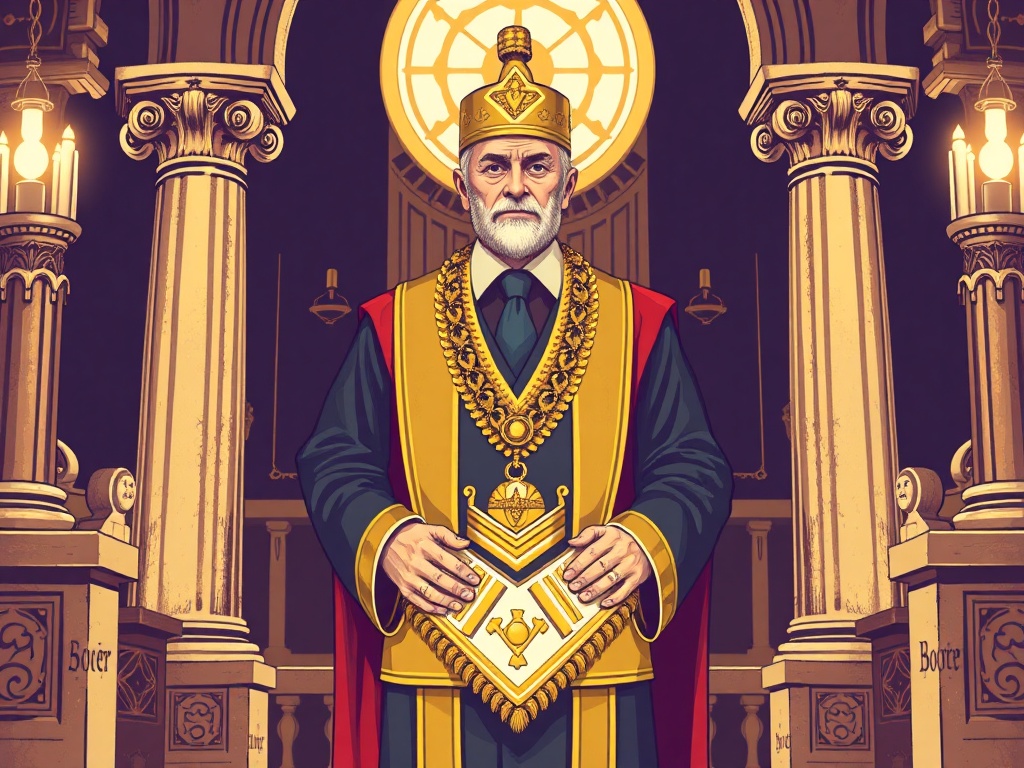
The Senior Warden occupies the first position among the lodge officers and serves as the principal deputy to the Worshipful Master. This is a position of substantial authority, deep responsibility, and significant visibility within the Masonic fraternity. The Senior Warden represents the bridge between the foundational work of the Junior Warden and the supreme authority of the Worshipful Master, orchestrating the middle degree and ensuring the continuity of Masonic education and practice. Those who serve in this position are recognized as among the most capable and dedicated Masons within the lodge.
The Role and Authority
The Senior Warden stands as the first principal officer, exercising substantial authority in the governance and ceremonial work of the lodge.
The Principal Deputy
The Senior Warden is elected annually by the lodge membership to serve as the first officer and principal deputy to the Worshipful Master. In the absence of the Master, the Senior Warden assumes all of the Master's duties and authority, presiding over the lodge and conducting all necessary business. This succession arrangement ensures the continuity of lodge operations and represents the trust that the membership places in the Senior Warden's capability and character.
The Senior Warden's authority is not merely delegated for times of absence. During normal lodge operations, the Senior Warden exercises independent authority over the second section of degree work, supervises the Junior Warden, and provides counsel and guidance to the Worshipful Master on matters of lodge governance and policy.
Station and Symbolism
In the lodge, the Senior Warden stands in the station of the West—a position of significant symbolic importance. The West is associated with the setting sun and the completion of the day's work, making it a fitting place for the officer responsible for overseeing the second degree and the progress toward perfection. From the West, the Senior Warden observes the work of the first officer and is positioned to assume higher authority when needed.
The placement of the Senior Warden between the Junior Warden (in the South) and the Worshipful Master (in the East) reflects the hierarchical progression of authority and responsibility within the lodge. The Senior Warden is the visible connection between the foundation of first-degree work and the supreme authority of the Master.
Characteristics of Effective Senior Wardens
Those selected for the Senior Warden position are Masons who have demonstrated exceptional dedication, knowledge, and leadership. An effective Senior Warden combines ceremonial excellence, managerial capability, and the wisdom to counsel and support the Worshipful Master. These officers understand that their position is both an honor and a tremendous responsibility.
Ritual Mastery
Complete command of the second degree and all its teachings and symbolism
Administrative Skill
Ability to manage the complex administrative and ceremonial aspects of lodge governance
Leadership Vision
Clear understanding of the lodge's mission and commitment to its future development
Core Responsibilities and Duties
The Senior Warden carries out responsibilities that directly shape the quality of Masonic education, governance, and community within the lodge.
Conferring the Fellowcraft Degree
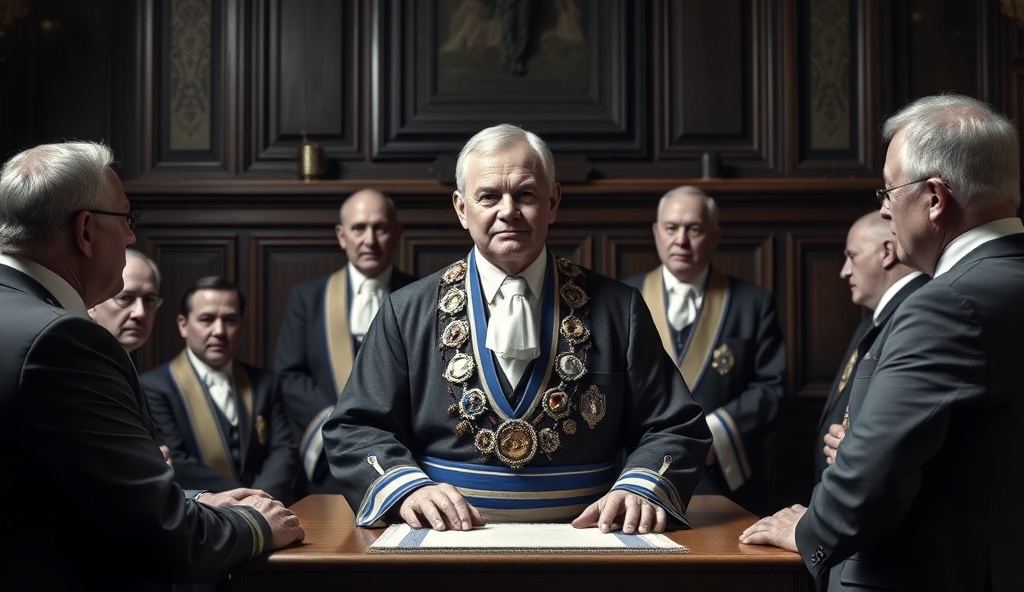
The primary ceremonial responsibility of the Senior Warden is presiding over the conferral of the Fellowcraft (second) degree. This degree represents the intellectual and spiritual development of the candidate and introduces deeper knowledge of sacred geometry, the liberal arts, and the mysteries of Freemasonry. The Senior Warden must possess complete mastery of this degree, understanding not only the ritual but the profound meanings contained within it, so that he can present it in a manner that enlightens and transforms the candidates.
Overseeing Candidate Advancement
Working closely with the Junior Warden, the Senior Warden oversees the preparation of candidates as they progress from the first degree toward the second. This includes ensuring that candidates have adequately mastered the teachings of the Entered Apprentice degree before advancing, meeting with candidates to assess their readiness, and providing instruction in the deeper meanings of the degree work. The Senior Warden ensures the quality and integrity of the advancement process.
Assuming the Master's Authority
Should the Worshipful Master be unable to fulfill his duties, the Senior Warden immediately assumes all of the Master's authority and responsibility. This includes presiding over the lodge, conducting all ceremonies, making necessary administrative decisions, and representing the lodge to the Grand Lodge and other external entities. The Senior Warden must possess the knowledge and readiness to step into this role seamlessly, demonstrating that the transition of authority does not interrupt the work of the lodge.
Presiding Over Lodge Meetings
The Senior Warden presides over the second section of lodge meetings—typically the portion where the second degree is conferred or discussed. From the station of the West, the Senior Warden maintains proper order, ensures that all proceedings are conducted according to Masonic law, and carries out the instructions of the Worshipful Master. The Senior Warden's competent management of meetings sets the tone for orderly and respectful lodge conduct.
Supporting Lodge Governance
The Senior Warden participates actively in the governance of the lodge, attending officer meetings, serving on committees, and providing counsel to the Worshipful Master on matters of policy and practice. Many Senior Wardens chair important committees and take responsibility for major initiatives. This administrative role extends their influence beyond the ceremonial realm and into the strategic direction of the lodge.
Mentoring Developing Officers
The Senior Warden, having recently advanced from the Junior Warden position, occupies a unique position to mentor and guide the current Junior Warden and other developing officers. By teaching the newer officers how to perform their duties excellently, the Senior Warden ensures continuity of quality leadership and demonstrates the principles of brotherhood that underlie all Masonic work.
Leadership and Governance
The Senior Warden plays a crucial role in the governance of the lodge and the development of Masonic community.
Strategic Leadership
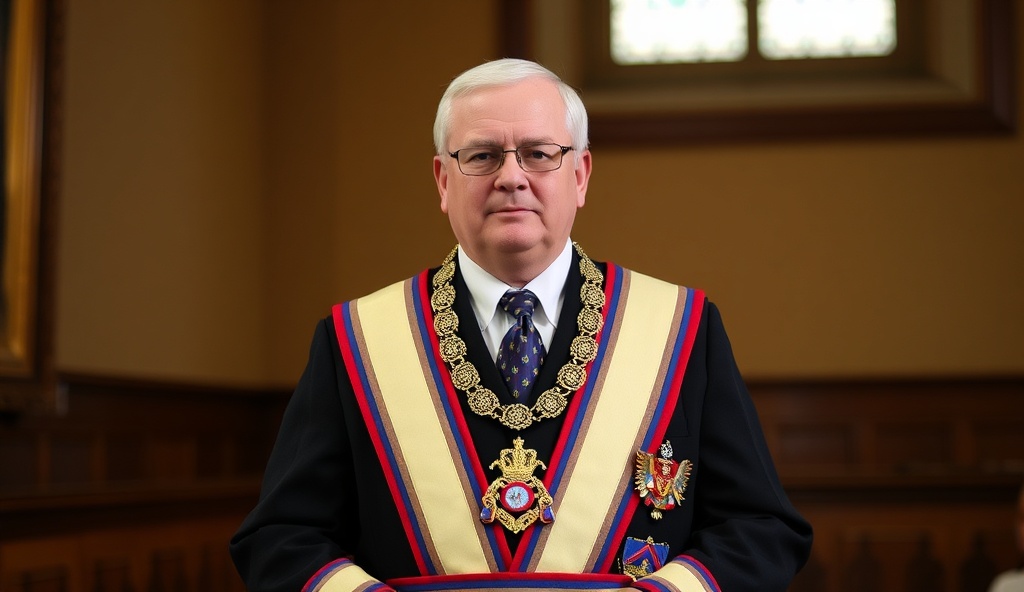
As the principal deputy to the Worshipful Master, the Senior Warden is often involved in strategic planning and major decisions affecting the lodge. This may include decisions about the development of new programs, the management of lodge resources, the expansion or contraction of lodge activities, and the overall direction of the organization. The Senior Warden brings a perspective grounded in hands-on experience with the day-to-day operations of the lodge.
Many lodges rely heavily on the Senior Warden to serve as a sounding board for the Worshipful Master, providing honest counsel and helping to anticipate potential challenges. This advisory role requires both knowledge and discretion, as the Senior Warden must balance support for the Master with a willingness to speak truth when circumstances warrant it.
Building Community and Fellowship
The Senior Warden plays a vital role in fostering the sense of community and brotherhood that lies at the heart of Freemasonry. Through skillful leadership, mentoring, and visible commitment to the lodge's work, the Senior Warden helps create an environment where brothers feel valued, where newer members are welcomed and supported, and where the bonds of fellowship are strengthened.
The quality of the Senior Warden's engagement directly influences the lodge's ability to retain members, attract new candidates, and maintain the vitality that sustains Masonic organizations through changing circumstances. A Senior Warden who actively cultivates brotherhood creates a lodge that thrives.
The Preparation for Higher Office
Service as Senior Warden provides intensive preparation for election to the Worshipful Master position. During this time, the Senior Warden gains deep knowledge of all aspects of lodge governance, learns the challenges that the Master must navigate, observes the Master's leadership style and decision-making processes, and builds relationships with the entire membership. The Senior Warden emerges from this experience with a comprehensive understanding of what the Master's position entails and what it will demand of him if elected.
The Path to Worshipful Master
The Senior Warden position is traditionally the final step in preparation for election to the position of Worshipful Master.
Demonstrating Readiness for Leadership
During the Senior Warden year, the Mason demonstrates whether he possesses the knowledge, judgment, character, and commitment necessary to serve as Worshipful Master. His performance in the Senior Warden position is closely observed by the membership, the Grand Lodge, and the sitting Worshipful Master. Those who serve with distinction in this position signal their readiness for elevation to the Master's chair and generate the respect and confidence necessary for election.
Understanding the Master's Burden
Unlike an outsider assuming the role of Worshipful Master, the Senior Warden who advances to that position does so with full understanding of what the position demands. He has witnessed the sacrifices, challenges, and rewards of leadership. He has seen how decisions affect individuals and the lodge as a whole. He approaches the Master's chair not with idealistic expectations but with realistic understanding grounded in experience.
Building the Succession
As the Senior Warden prepares for potential elevation to the Worshipful Master, he often begins to mentor the Junior Warden and other developing officers as his potential successors. This mentoring role—helping to develop the next generation of lodge leaders—represents a continuation of the Masonic principle that leadership is a sacred trust passed from one generation to the next. The Senior Warden who invests in developing future leaders ensures the long-term vitality of the lodge.
Explore Other Lodge Officers
Learn about other officers and roles within the Masonic lodge structure.
Worshipful Master
The principal leader and executive of the lodge, responsible for all aspects of lodge work and governance.
Learn More →Junior Warden
The second officer who presides over the first degree, guides new candidates, and begins the leadership progression.
Learn More →Senior Master of Ceremonies
The principal coordinator of all lodge ceremonial work.
Learn More →Junior Master of Ceremonies
The skilled conductor of lodge ceremonial procedures.
Learn More →Tyler
The guardian and protector of the lodge entrance and sacred work.
Learn More →Pursuivant
The ceremonial officer and usher who guides members through lodge ceremonies.
Learn More →